In the realm of modern landscaping and environmental stewardship, Plant Health Care (PHC) has emerged as a vital practice aimed at maintaining the health and vitality of trees and plants. PHC encompasses a holistic approach to plant management, focusing not only on the treatment of existing issues but also on preventive measures that promote long-term health. This proactive strategy is essential in an era where urbanization and climate change pose significant challenges to plant life. The importance of PHC cannot be overstated; it serves as a framework for understanding the complex interactions between plants, their environment, and potential threats such as pests and diseases. By implementing PHC practices, property owners can ensure that their landscapes remain vibrant and resilient.
This is where the expertise of a certified arborist becomes indispensable. These professionals are trained to assess plant health comprehensively, utilizing their knowledge to develop tailored care plans that address specific needs. As we delve deeper into the role of certified arborists within the PHC framework, it becomes clear that their contributions extend beyond mere tree care. They play a crucial role in educating clients about sustainable practices, diagnosing issues before they escalate, and implementing strategies that enhance the overall ecosystem. Understanding the significance of PHC and the certified arborist's role within it is essential for anyone looking to cultivate a thriving landscape.
What is a Certified Arborist?
A certified arborist is a professional who has demonstrated a high level of knowledge and expertise in the care and management of trees.This certification is awarded by the International Society of Arboriculture (ISA), which sets rigorous standards for arborists to ensure they possess the necessary skills to promote tree health and safety.
Qualifications of Arborists
- Education: Most certified arborists have a background in horticulture, forestry, or a related field, providing them with foundational knowledge about plant biology and ecology.
- Experience: Candidates must typically have at least three years of practical experience in arboriculture, which includes hands-on work with trees and shrubs.
- Examination: To achieve certification, arborists must pass a comprehensive exam that tests their understanding of tree biology, diagnosis of tree problems, and proper care techniques.
Importance of Certification
The certification process is crucial for several reasons:
- Credibility: Being certified demonstrates a commitment to professionalism and ongoing education in the field of arboriculture.
- Trust: Homeowners and businesses can have greater confidence in hiring a certified arborist, knowing they are working with someone who adheres to industry standards.
- Expertise: Certified arborists are trained to identify and manage various tree health issues, making them invaluable in the context of Plant Health Care (PHC).
The Principles of Plant Health Care (PHC)
Plant Health Care (PHC) is a holistic approach to managing tree health that emphasizes prevention, monitoring, and intervention. The core principles of PHC are designed to create a sustainable environment for trees, ensuring they thrive in their ecosystems.1.Prevention: One of the fundamental principles of PHC is prevention. This involves implementing practices that reduce the likelihood of pest infestations and diseases.For instance, selecting the right tree species for specific locations can significantly enhance their resilience against environmental stressors.2.Monitoring: Regular monitoring is crucial in PHC. Certified arborists conduct assessments to identify early signs of stress or disease in trees. This proactive approach allows for timely interventions, which can prevent more severe issues from developing.3.Integrated Pest Management (IPM): PHC incorporates IPM strategies that focus on using a combination of biological, cultural, and chemical methods to manage pests effectively. This minimizes the reliance on chemical treatments and promotes a balanced ecosystem.4.Soil Health: Healthy soil is vital for tree health.
PHC practices often include soil testing and amendments to ensure that trees receive the necessary nutrients. This not only supports tree growth but also enhances the overall health of the surrounding ecosystem.5.Education and Community Involvement: Educating property owners about tree care and involving them in the process is another key aspect of PHC. When communities understand the importance of tree health, they are more likely to engage in practices that support it. The benefits of implementing PHC practices are manifold. Healthy trees contribute to improved air quality, reduced urban heat, and enhanced biodiversity.
Moreover, they provide aesthetic value and increase property values. By focusing on these principles, certified arborists play a crucial role in maintaining not just individual trees but also the broader ecological balance.
The Role of a Certified Arborist in PHC
A certified arborist plays a crucial role in Plant Health Care (PHC), serving as a knowledgeable resource for maintaining the health and vitality of trees and shrubs. Their expertise is essential in diagnosing plant health issues, implementing effective treatment plans, and promoting sustainable practices that enhance the overall landscape.Responsibilities
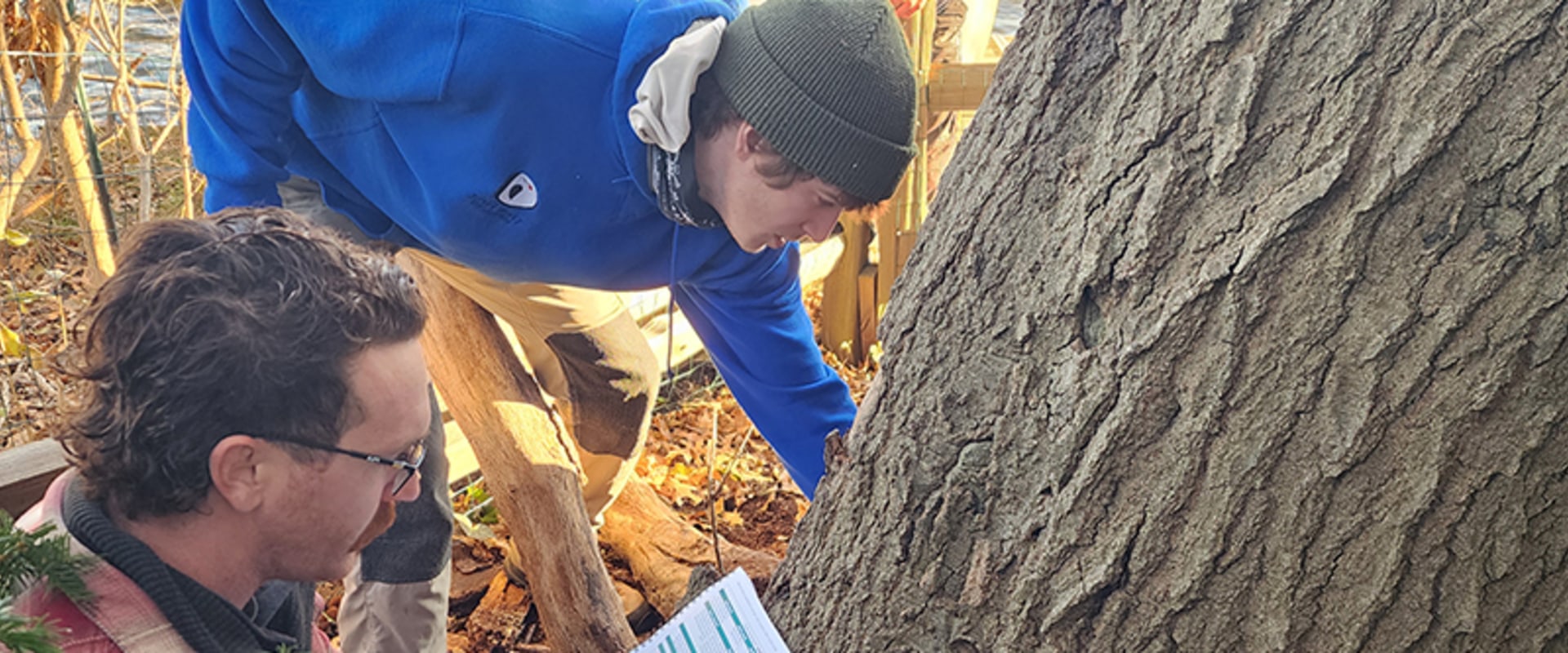
of a certified arborist in PHC include:- Assessment and Diagnosis: Arborists conduct thorough evaluations of trees to identify signs of disease, pest infestations, or environmental stressors. This assessment is vital for developing tailored care strategies.
- Soil Management: They analyze soil conditions and recommend amendments to improve nutrient availability and drainage, which are critical for tree health.
- Pest and Disease Management: Certified arborists implement integrated pest management (IPM) techniques to control pests and diseases while minimizing harm to beneficial organisms.
- Pruning and Maintenance: Proper pruning techniques are employed to enhance tree structure, remove dead or diseased branches, and improve air circulation, which is essential for plant health.
- Education and Consultation: Arborists educate property owners about best practices in tree care, helping them understand the importance of regular maintenance and the role of trees in the ecosystem.
- Tree Planting: They provide guidance on selecting appropriate species for specific environments, ensuring long-term success.
- Monitoring Programs: Regular monitoring helps detect early signs of problems, allowing for timely interventions.
- Emergency Services: In cases of storm damage or hazardous conditions, arborists assess risks and implement safe removal or mitigation strategies.
Their comprehensive approach not only addresses immediate concerns but also fosters long-term sustainability for trees and the environment.
Common Practices Used by Certified Arborists in PHC
Certified arborists play a crucial role in Plant Health Care (PHC) by employing a variety of practices aimed at maintaining the health and vitality of trees. These practices not only enhance the aesthetic value of landscapes but also contribute to the overall ecosystem.Pest Management
One of the primary responsibilities of certified arborists in PHC is effective pest management. This involves:- Monitoring: Regular inspections to identify pest infestations early.
- Identification: Accurately identifying pests and understanding their life cycles.
- Treatment: Implementing targeted treatments, which may include organic solutions, insecticidal soaps, or systemic insecticides, depending on the severity of the infestation.
Soil Health Assessment
A healthy tree starts with healthy soil. Certified arborists conduct thorough soil health assessments to evaluate:- Nutrient Levels: Testing for essential nutrients and pH levels to ensure optimal growth conditions.
- Soil Structure: Assessing soil compaction and drainage to promote root development.
- Microbial Activity: Evaluating the presence of beneficial microorganisms that support tree health.
Tree Pruning
Tree pruning is another vital practice employed by certified arborists.Proper pruning techniques help in:
- Removing Dead or Diseased Branches: This prevents the spread of disease and improves overall tree structure.
- Enhancing Airflow and Light Penetration: Pruning allows for better sunlight exposure and air circulation, which are essential for tree health.
- Encouraging Growth: Strategic pruning can stimulate new growth and improve the tree's shape.
Benefits of Hiring a Certified Arborist for PHC
Hiring a certified arborist for Plant Health Care (PHC) services offers numerous advantages that can significantly enhance the health and longevity of your trees and landscape. Here are some key benefits:- Expert Knowledge: Certified arborists possess extensive training and knowledge in tree biology, health, and care practices. This expertise allows them to accurately diagnose issues and recommend appropriate treatments.
- Customized Care Plans: A certified arborist can develop tailored PHC plans that address the specific needs of your trees, considering factors such as species, age, and environmental conditions.
- Preventive Maintenance: Regular assessments by a certified arborist can help identify potential problems before they escalate.
This proactive approach minimizes the risk of disease and pest infestations, ultimately saving you time and money.
- Sustainable Practices: Arborists trained in PHC emphasize sustainable care methods that promote tree health while minimizing environmental impact. They utilize integrated pest management (IPM) strategies that focus on long-term solutions.
- Increased Property Value: Healthy trees enhance the aesthetic appeal of your property, which can lead to increased property value. A certified arborist ensures your trees are well-maintained, contributing positively to your landscape.
- Safety Assurance: Trees that are not properly cared for can pose safety hazards due to falling branches or structural instability. A certified arborist can assess these risks and implement necessary measures to ensure safety for you and your community.
Frequently Asked Questions about Certified Arborists and PHC
When considering the role of a certified arborist in Plant Health Care (PHC), many potential clients have questions.Here are some frequently asked questions that can help clarify the importance of certified arborists in maintaining tree health.
- What qualifications does a certified arborist have?
A certified arborist has undergone rigorous training and testing to demonstrate their knowledge of tree biology, care practices, and pest management. They are often required to continue their education to maintain their certification, ensuring they stay updated on the latest techniques and research in PHC. - How does a certified arborist contribute to PHC?
Certified arborists assess tree health, diagnose issues, and develop tailored care plans. Their expertise allows them to implement effective treatments for pests and diseases, ensuring trees remain healthy and vibrant. - What services do certified arborists provide?
Services typically include: - Tree pruning and trimming
- Pest and disease management
- Soil management and fertilization
- Tree planting advice
- Emergency tree care
- How can I find a certified arborist?
You can find a certified arborist through professional organizations such as the International Society of Arboriculture (ISA) or local tree care associations. Look for credentials that indicate they are certified and have experience in Plant Health Care. - Why is PHC important for my trees?
Implementing a comprehensive Plant Health Care program helps prevent problems before they arise, promotes healthy growth, and enhances the overall aesthetic of your landscape.Healthy trees are more resilient to environmental stressors and pests.
Conclusion: The Importance of Certified Arborists in Plant Health Care
In conclusion, the role of a certified arborist in Plant Health Care (PHC) is indispensable for the health and longevity of our urban and natural landscapes. Throughout this article, we have explored how these professionals utilize their expertise to assess, manage, and enhance the vitality of trees and plants. Certified arborists are not just tree care specialists; they are vital partners in promoting sustainable practices that benefit both the environment and the community. Their comprehensive understanding of plant biology, pest management, and soil health allows them to develop tailored PHC strategies that address specific needs. This proactive approach helps in:- Preventing diseases: By identifying potential threats early, certified arborists can implement measures to prevent the spread of diseases.
- Enhancing growth: Through proper pruning, fertilization, and irrigation techniques, they ensure that plants receive the nutrients they need to thrive.
- Improving resilience: Arborists help strengthen plants against environmental stressors such as drought, pests, and climate change.
As new challenges arise in plant health management, certified arborists stay updated with the latest research and techniques. This commitment to professional development ensures that they provide the best possible care for our green spaces. Ultimately, investing in the services of a certified arborist is an investment in the future health of our ecosystems. By prioritizing Plant Health Care, we not only enhance the beauty of our surroundings but also contribute to a healthier planet for generations to come.