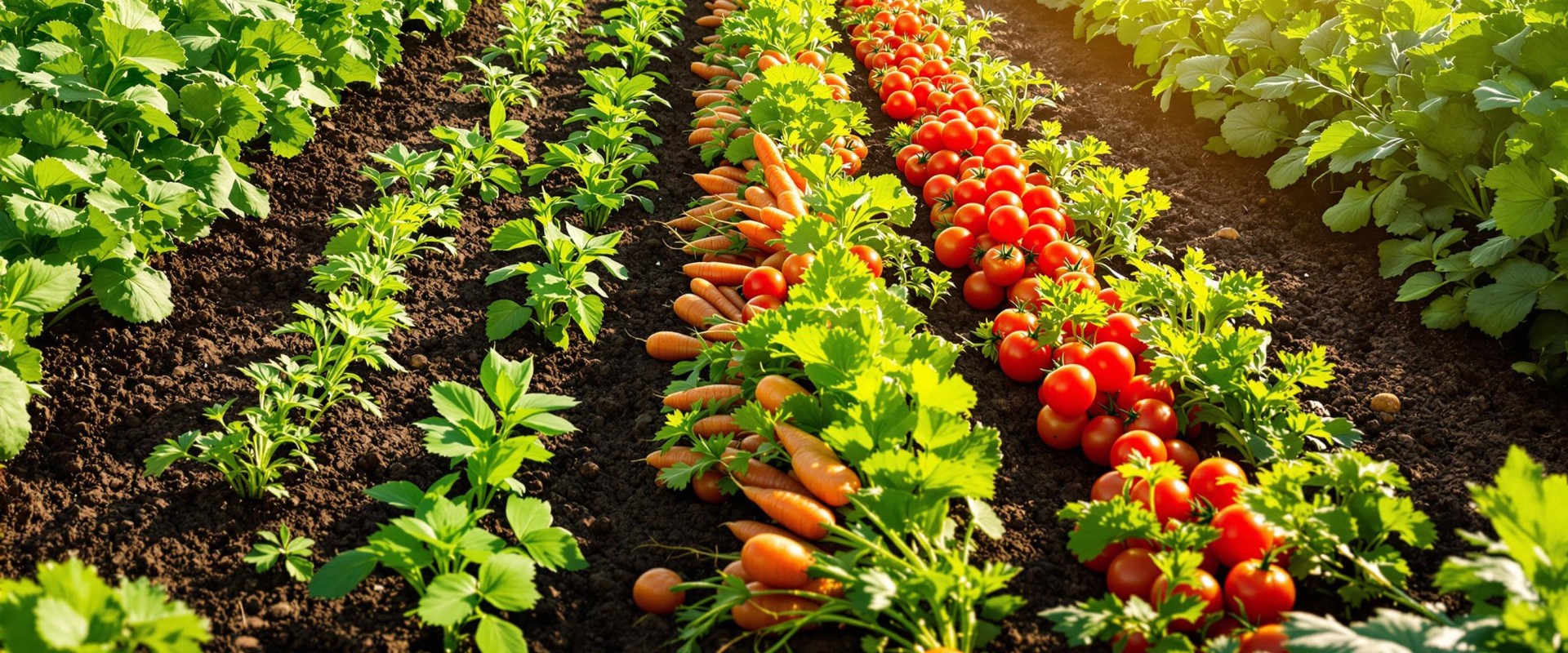
Plant Health Care (PHC) is an innovative approach that emphasizes the importance of understanding and addressing the unique needs of different plant species. As the world becomes increasingly aware of environmental sustainability and biodiversity, the role of PHC in promoting healthy plant growth and resilience has never been more critical. This holistic method not only focuses on the individual requirements of various plants but also considers their interactions with the surrounding ecosystem, ensuring a balanced approach to plant care.Each plant species has its own set of characteristics, including specific nutrient requirements, water needs, and susceptibility to pests and diseases. By tailoring plant care strategies to these unique traits, PHC practitioners can enhance plant vitality and longevity.
For instance, some plants thrive in well-drained soils while others prefer moisture-retentive environments. Understanding these preferences allows for more effective management practices that cater to the specific demands of each species.Moreover, PHC recognizes that environmental factors such as climate, soil type, and local biodiversity play a significant role in plant health. By integrating these elements into their care strategies, professionals can create customized plans that not only support individual plants but also contribute to the overall health of the ecosystem. This adaptability is what sets PHC apart from traditional methods, making it a vital component in modern horticulture and agriculture.
The Importance of Understanding Plant Species
Understanding the specific needs of different plant species is essential in the realm of Plant Health Care (PHC).Each species exhibits unique biological and ecological characteristics that influence its growth, health, and resilience. By recognizing these differences, PHC practitioners can tailor their approaches to ensure optimal care and management.For instance, some plants thrive in arid conditions while others require high humidity levels. This diversity necessitates a comprehensive understanding of each species' environmental preferences. Without this knowledge, interventions may be ineffective or even detrimental.
For example, overwatering a drought-resistant plant can lead to root rot, while underwatering a moisture-loving species can cause wilting and stress.Moreover, the nutritional requirements of plants vary significantly. Certain species may require specific macronutrients or micronutrients to flourish. A one-size-fits-all approach to fertilization can result in nutrient deficiencies or toxicities. Therefore, conducting soil tests and understanding the nutritional needs of each plant species is crucial for effective PHC.In addition to environmental and nutritional factors, pest and disease susceptibility also varies among plant species.
Some plants may be more resistant to certain pests or diseases due to their genetic makeup, while others may require proactive measures to prevent infestations. Implementing species-specific pest management strategies not only enhances plant health but also promotes biodiversity within ecosystems.Ultimately, the importance of understanding plant species in PHC cannot be overstated. By acknowledging the unique requirements of each species, practitioners can develop more effective care strategies that promote healthy growth and sustainability. This tailored approach not only benefits individual plants but also contributes to the overall health of our ecosystems.
Key Factors Influencing Plant Health Care Strategies
Effective Plant Health Care (PHC) strategies are influenced by a variety of factors that must be carefully considered to meet the specific needs of different plant species.Understanding these factors is crucial for optimizing plant health and ensuring sustainable growth.
Environmental Conditions
The environment plays a pivotal role in shaping PHC strategies. Key environmental factors include:- Climate: Temperature, humidity, and precipitation patterns can significantly affect plant health. For instance, tropical plants require higher humidity levels, while arid species thrive in dry conditions.
- Light Availability: Different plants have varying light requirements. Shade-tolerant species may struggle in full sun, while sun-loving plants may not thrive in shaded areas.
- Pest and Disease Pressure: The prevalence of pests and diseases in a given area can dictate the need for specific management practices tailored to protect vulnerable species.
Soil Types
The type of soil also influences PHC strategies.Factors such as soil texture, pH, and nutrient content must be assessed:
- Soil Texture: Sandy soils drain quickly and may require more frequent watering for moisture-loving plants, while clay soils retain water but can lead to root rot if not managed properly.
- Nutrient Availability: Different plants have unique nutrient requirements. Conducting soil tests can help determine the necessary amendments to support healthy growth.
- pH Levels: Some plants prefer acidic soils, while others thrive in alkaline conditions. Adjusting soil pH can be essential for optimal nutrient uptake.
Plant Biology
A thorough understanding of plant biology is essential for developing effective PHC strategies. Key biological factors include:- Species-Specific Needs: Each plant species has unique growth habits, water needs, and susceptibility to diseases.
Tailoring care practices to these specific needs enhances overall health.
- Growth Stages: Young plants may require different care compared to mature ones. Recognizing the growth stage helps in applying appropriate fertilizers and pest control measures.
- Genetic Variability: Within a species, genetic differences can lead to varying responses to environmental stressors. Understanding these differences allows for more targeted interventions.
Tailoring PHC Approaches for Different Plant Species
Plant Health Care (PHC) is not a one-size-fits-all approach; it requires tailored strategies that consider the unique needs of different plant species. Each species has its own set of requirements regarding soil type, water needs, light exposure, and pest resistance.By customizing care, PHC can enhance plant health and productivity.
Species-Specific Strategies
- Succulents: These plants thrive in arid conditions and require minimal watering. PHC for succulents focuses on well-draining soil and infrequent irrigation to prevent root rot.
- Tropical Plants: In contrast, tropical species need high humidity and consistent moisture. PHC for these plants often includes regular misting and the use of humidity trays to create a suitable environment.
- Ornamental Trees: For trees like oaks or maples, PHC emphasizes deep root watering and mulching to retain soil moisture while protecting against pests through integrated pest management (IPM) techniques.
PHC programs can incorporate soil testing to determine nutrient deficiencies and adjust fertilization accordingly.
Customized Care Plans
Creating a customized care plan involves regular monitoring and adjustments based on the plant's growth stage and environmental conditions. For example, young seedlings may need more frequent watering and protection from pests, while mature plants might require less intervention as they establish their root systems.In conclusion, by implementing tailored PHC approaches, gardeners and horticulturists can ensure that each plant species receives the specific care it needs to thrive. This not only promotes healthier plants but also contributes to sustainable gardening practices that respect the diverse requirements of our green companions.
Case Studies: Successful PHC Implementation
Implementing Plant Health Care (PHC) strategies can significantly enhance the health and productivity of various plant species. Below are some case studies that exemplify successful PHC applications.Case Study 1: Urban Tree Management
In a metropolitan area, city planners adopted a PHC approach to manage urban trees.By conducting soil tests and assessing tree health, they identified nutrient deficiencies affecting species like Acer rubrum (Red Maple). The city implemented a targeted fertilization program, which included:
- Soil amendments to improve nutrient availability
- Regular monitoring of tree health
- Pruning to enhance air circulation and light penetration
Case Study 2: Agricultural Crop Optimization
A local farm specializing in organic vegetables utilized PHC principles to address pest issues in their Solanum lycopersicum (Tomato) crops. By implementing integrated pest management (IPM) techniques, they:- Introduced beneficial insects to control aphid populations
- Utilized crop rotation to disrupt pest life cycles
- Applied organic fertilizers to boost plant resilience
Case Study 3: Landscape Restoration
A non-profit organization focused on restoring native plant habitats employed PHC strategies for various local species, including Echinacea purpurea (Purple Coneflower). Their approach included:- Assessing site conditions and selecting appropriate native plants
- Implementing erosion control measures to protect young plants
- Establishing a monitoring program to track growth and health
Common Challenges in Implementing PHC for Diverse Species
Implementing Plant Health Care (PHC) across diverse plant species presents a unique set of challenges that can hinder effective management and care.Understanding these challenges is crucial for developing tailored strategies that meet the specific needs of various plants. One of the primary challenges is the variability in plant requirements. Different species have distinct needs regarding water, nutrients, light, and pest management. For instance, tropical plants may require higher humidity levels compared to desert species, which thrive in arid conditions. This variability necessitates a comprehensive understanding of each species' ecological background. Another significant issue is the integration of practices that cater to multiple species within a single ecosystem.
For example, a garden or landscape may host both native and non-native plants, each with different pest vulnerabilities and disease resistance. This diversity complicates the application of uniform PHC strategies, as what works for one species may be detrimental to another. Additionally, resource allocation can pose a challenge. Limited budgets and manpower often lead to prioritizing certain species over others, which can result in neglecting less popular or less understood plants. This imbalance can create health disparities among plant populations. To overcome these obstacles, it is essential to adopt a customized approach.
Here are some strategies:
- Conduct thorough assessments: Regularly evaluate the specific needs of each plant species in your care.
- Implement integrated pest management (IPM): Use IPM techniques tailored to the vulnerabilities of different species.
- Educate staff and stakeholders: Provide training on the unique requirements of diverse plant species to ensure informed care practices.
- Utilize technology: Leverage data analytics and monitoring tools to track plant health and adjust care strategies accordingly.
Future Trends in Plant Health Care Research and Practices
As we look to the future of Plant Health Care (PHC), several emerging trends and innovative practices are set to reshape how we approach the care of various plant species. These advancements are driven by a combination of technological innovation, ecological understanding, and a growing emphasis on sustainability.Precision Agriculture
is one of the most significant trends influencing PHC. By utilizing data analytics, remote sensing, and IoT devices, farmers can monitor plant health at an unprecedented level of detail. This technology allows for tailored interventions that consider the specific needs of different plant species, optimizing resource use and enhancing overall plant health.Another promising area of research is the development of biological control methods.These methods leverage natural predators or beneficial microorganisms to manage pests and diseases, reducing reliance on chemical pesticides. This approach not only supports the health of individual plants but also promotes biodiversity within ecosystems.
- Genetic Research: Advances in genetic engineering and genomics are paving the way for the development of plant varieties that are more resilient to diseases and environmental stressors. This research is crucial for adapting PHC practices to meet the unique requirements of different species.
- Sustainable Practices: There is a growing trend towards integrating sustainable practices into PHC. Techniques such as cover cropping, crop rotation, and organic amendments are being researched for their effectiveness in enhancing soil health and plant vitality.
- Climate Adaptation: As climate change continues to impact agriculture, research is focusing on how different plant species respond to changing environmental conditions.
Understanding these responses will be vital for developing adaptive PHC strategies.
FAQs about Plant Health Care and Species-Specific Needs
Understanding Plant Health Care (PHC) and its application to various plant species can be complex. Here are some frequently asked questions that clarify how PHC addresses the unique needs of different plants.What is Plant Health Care?
Plant Health Care is a holistic approach to managing plant health, focusing on prevention and maintenance rather than just treatment. It considers the specific requirements of each plant species, including their environmental needs, growth habits, and susceptibility to pests and diseases.How does PHC cater to different plant species?
- Soil Requirements: Different plants thrive in various soil types.
PHC assesses soil pH, texture, and nutrient content to tailor care for each species.
- Watering Needs: Some plants require more moisture than others. PHC strategies include customized irrigation plans based on the water needs of specific species.
- Pest Management: Certain plants are more vulnerable to specific pests. PHC employs targeted pest management techniques that consider the unique vulnerabilities of each species.
- Nutrient Management: Different plants have varying nutrient requirements. PHC involves soil testing and tailored fertilization programs to meet these needs.
Can PHC help with indoor plants?
Absolutely! Indoor plants often have distinct care requirements compared to outdoor species.PHC can help identify the right light conditions, humidity levels, and watering schedules necessary for optimal indoor plant health.
What are common misconceptions about PHC?
- One-size-fits-all approach: Many believe that all plants can be treated the same way. In reality, PHC emphasizes individualized care based on species-specific needs.
- Pest control is the only focus: While pest management is a component of PHC, it also includes soil health, watering practices, and overall plant wellness.
Conclusion: The Future of Plant Health Care Tailored to Species Needs
In conclusion, the future of Plant Health Care (PHC) lies in its ability to adapt and respond to the unique requirements of various plant species. As we have explored throughout this article, understanding the specific needs of different plants is crucial for developing effective health care strategies that promote growth, resilience, and sustainability.By integrating species-specific data into PHC practices, we can enhance the effectiveness of interventions aimed at pest management, nutrient delivery, and environmental adaptation. This tailored approach not only improves plant health but also contributes to broader ecological balance and agricultural productivity.- Customized Nutrient Management: Different species have varying nutrient requirements.
By analyzing soil composition and plant needs, PHC can provide targeted fertilization strategies that optimize growth.
- Pest and Disease Resistance: Understanding the susceptibility of specific plants to pests and diseases allows for the implementation of preventive measures that are both effective and environmentally friendly.
- Water Management: Different plants have distinct water needs. PHC can utilize advanced irrigation techniques tailored to the moisture requirements of each species, ensuring optimal hydration without waste.