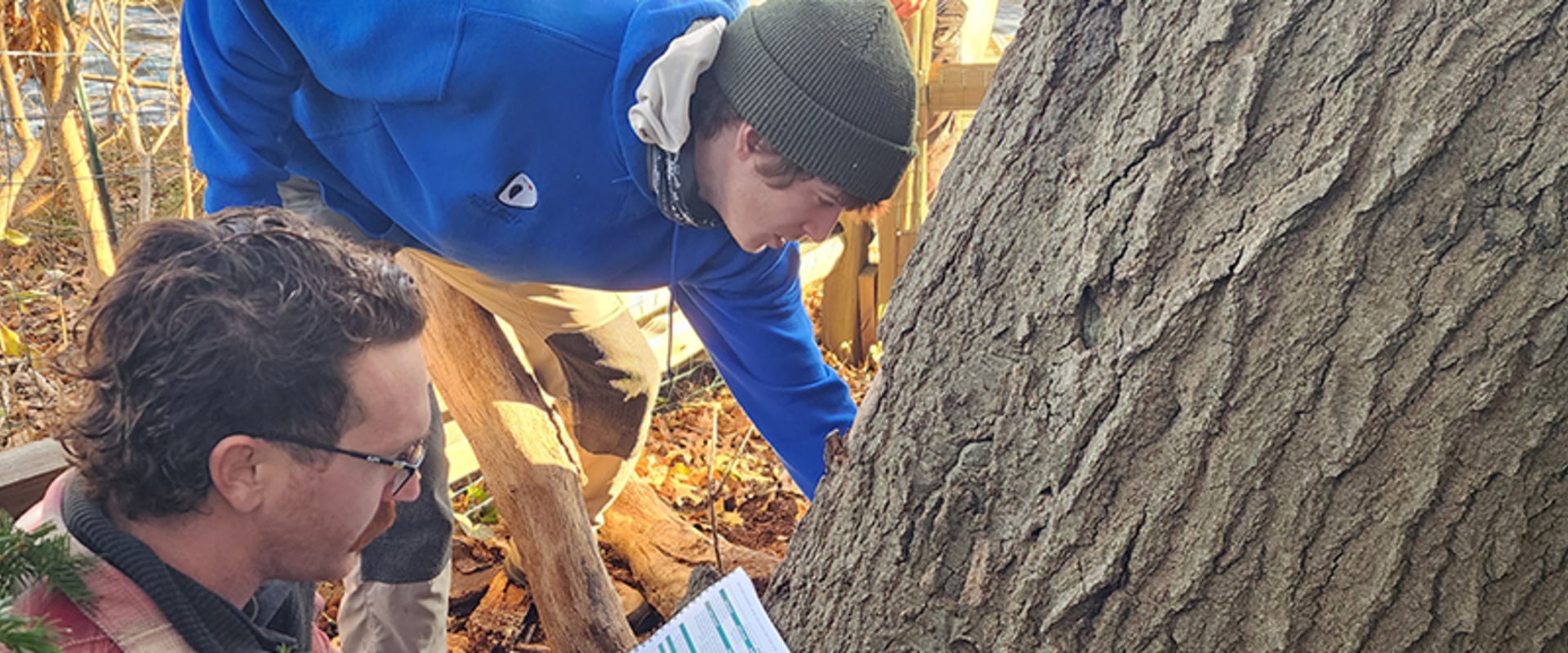
In the realm of horticulture and agriculture, Plant Health Care (PHC) has emerged as a vital framework for ensuring the vitality and longevity of plants. This holistic approach emphasizes the importance of understanding the intricate relationships between plants, their environment, and the various factors that influence their health. By prioritizing plant health through proactive management strategies, PHC not only enhances the aesthetic appeal of landscapes but also contributes to sustainable ecosystems. The significance of PHC lies in its comprehensive methodology, which integrates cultural practices, pest management, and environmental considerations. It encourages gardeners and farmers to adopt practices that promote resilience in plants, allowing them to thrive even in challenging conditions.
One of the cornerstones of this approach is the implementation of proper watering techniques, which play a crucial role in maintaining optimal moisture levels and nutrient availability in the soil. Understanding how to effectively water plants is essential for anyone looking to improve their gardening or farming practices. Proper watering not only supports plant growth but also minimizes stress factors that can lead to disease and pest infestations. As we delve deeper into the specifics of watering techniques within the context of Plant Health Care, it becomes clear that these methods are not merely about providing water; they are about fostering an environment where plants can flourish and contribute positively to their surroundings.
The Importance of Watering in Plant Health
Proper watering techniques are essential for maintaining plant health, particularly within the framework of Plant Health Care (PHC). Water is not just a basic necessity; it plays a pivotal role in various physiological processes that contribute to the overall vitality of plants.One of the primary functions of water is its involvement in nutrient uptake.Plants absorb water through their roots, which dissolves essential nutrients in the soil. This nutrient-rich water is then transported throughout the plant, enabling critical functions such as photosynthesis and growth. Without adequate watering, plants may suffer from nutrient deficiencies, leading to stunted growth and poor health.Moreover, proper watering techniques can significantly aid in disease prevention. Overwatering can create a damp environment conducive to fungal diseases and root rot, while underwatering can stress plants, making them more susceptible to pests and diseases.
Implementing effective water management strategies, such as drip irrigation or soaker hoses, can help maintain optimal moisture levels in the soil, reducing the risk of disease.Additionally, understanding the specific water needs of different plant species is crucial. For instance, some plants thrive in consistently moist soil, while others prefer drier conditions. By tailoring watering practices to meet these specific needs, gardeners can enhance plant resilience and overall health.In summary, proper watering techniques are vital for ensuring plant health. By facilitating nutrient uptake, preventing diseases, and catering to individual plant requirements, effective water management contributes significantly to the success of any Plant Health Care (PHC) program.
Key Watering Techniques for Optimal Plant Health
Proper watering techniques are essential for maintaining plant health under a Plant Health Care (PHC) approach.By implementing effective watering strategies, gardeners can ensure that plants receive the right amount of moisture, which is crucial for their growth and resilience.
Deep Watering
One of the most effective methods is deep watering. This technique involves applying water slowly and deeply to encourage roots to grow deeper into the soil. Shallow watering can lead to weak root systems that are more susceptible to drought and disease. To practice deep watering, aim to water your plants less frequently but with larger amounts of water, allowing it to penetrate the soil to a depth of at least 12 inches.Drip Irrigation
Drip irrigation is another excellent method for promoting optimal plant health.This system delivers water directly to the base of each plant through a network of tubing and emitters. By minimizing evaporation and runoff, drip irrigation ensures that plants receive consistent moisture while reducing water waste. Additionally, this method helps prevent fungal diseases by keeping foliage dry.
Timing of Watering
The timing of watering is equally important. Watering early in the morning or late in the afternoon allows plants to absorb moisture before the heat of the day causes evaporation.Avoid watering during peak sunlight hours, as this can lead to rapid moisture loss and potential plant stress.
Best Practices for Watering
- Check Soil Moisture: Use a soil moisture meter or your finger to check if the soil is dry before watering.
- Avoid Overwatering: Too much water can suffocate roots and lead to root rot.
- Mulching: Apply mulch around plants to retain soil moisture and regulate temperature.
Understanding Soil Moisture and Its Impact on PHC
Understanding soil moisture is crucial for effective Plant Health Care (PHC). The moisture levels in the soil directly influence plant health, as they affect nutrient availability, root development, and overall plant vigor. Proper watering techniques can help maintain optimal moisture conditions, which are essential for healthy plant growth.Soil moisture levels can be categorized into three main states:- Field Capacity: This is the ideal moisture level where the soil holds enough water for plants to absorb while allowing excess water to drain away. Maintaining this balance is key to preventing root rot and promoting healthy growth.
- Wilting Point: At this level, the soil moisture is too low for plants to extract water, leading to stress and potential wilting.
Understanding when your soil reaches this point can help you adjust your watering schedule accordingly.
- Saturation: When soil is saturated, it can lead to poor aeration and root suffocation. This condition can be detrimental to plant health, making it essential to avoid overwatering.
- Deep Watering: Watering deeply encourages roots to grow deeper into the soil, enhancing their ability to access nutrients and moisture.
- Mulching: Applying a layer of mulch helps retain soil moisture, reduces evaporation, and maintains a more consistent temperature.
- Monitoring Moisture Levels: Use tools like moisture meters or simple finger tests to gauge soil moisture before watering. This practice helps prevent both overwatering and underwatering.
Common Watering Mistakes to Avoid
Watering is a critical aspect of Plant Health Care (PHC), yet many gardeners and plant enthusiasts fall into common traps that can jeopardize their plants' well-being.Understanding these mistakes is essential for maintaining optimal plant health.
- Overwatering: One of the most prevalent mistakes is overwatering. This occurs when plants receive more water than they can absorb, leading to root rot and other fungal diseases. To avoid this, always check the soil moisture before watering. A simple finger test—sticking your finger about an inch into the soil—can help determine if your plants need water.
- Underwatering: Conversely, underwatering can also be detrimental.
Plants deprived of adequate moisture may wilt, develop brown leaf tips, or even die. To prevent this, establish a consistent watering schedule based on the specific needs of your plants and environmental conditions.
- Ignoring Soil Type: Different soil types retain moisture differently. For instance, sandy soils drain quickly while clay soils hold water longer. Understanding your soil type can help you tailor your watering practices accordingly.
- Watering at the Wrong Time: Watering during the hottest part of the day can lead to rapid evaporation, wasting water and leaving plants thirsty.
Early morning or late afternoon is ideal for watering, allowing plants to absorb moisture effectively.
- Using Cold Water: Cold water can shock plant roots. Always use room temperature water to ensure a gentle introduction of moisture to your plants.
Water Quality and Its Role in Plant Health Care
Water quality is a critical factor in the Plant Health Care (PHC) approach, as it directly influences plant growth, development, and overall health. Clean, high-quality water is essential for plants to absorb nutrients effectively and maintain physiological functions.When considering water quality, several factors come into play:- pH Levels: The pH of water affects nutrient availability.
Most plants thrive in a pH range of 6.0 to 7.5.Water that is too acidic or alkaline can hinder nutrient uptake, leading to deficiencies or toxicities.
- Salinity: High salt concentrations in water can lead to osmotic stress in plants, making it difficult for them to absorb water. This can result in wilting, leaf burn, and stunted growth.
- Contaminants: Water may contain harmful substances such as heavy metals, pesticides, or pathogens. These contaminants can adversely affect plant health by causing diseases or inhibiting growth.
- Nutrient Content: Assessing levels of essential nutrients like nitrogen, phosphorus, and potassium helps determine if additional fertilization is necessary.
- Turbidity: Clear water is generally a sign of good quality.
High turbidity can indicate the presence of suspended particles that may harbor pathogens.
- Bacterial Load: Testing for harmful bacteria ensures that the water used for irrigation does not introduce diseases to the plants.
Integrating Watering Techniques into a Comprehensive PHC Strategy
Integrating proper watering techniques into a comprehensive Plant Health Care (PHC) strategy is essential for promoting sustainable plant management. Watering is not merely a routine task; it is a critical component that influences plant vitality, soil health, and overall ecosystem balance.To effectively incorporate watering into a holistic PHC approach, consider the following strategies:- Assessing Soil Moisture: Regularly check soil moisture levels to determine the appropriate watering schedule. Utilizing tools like moisture meters can help in making informed decisions, ensuring plants receive adequate hydration without overwatering.
- Watering Techniques: Employ techniques such as deep watering, which encourages roots to grow deeper into the soil, enhancing drought resistance.
Drip irrigation systems can also be beneficial, delivering water directly to the root zone and minimizing evaporation.
- Timing of Watering: Watering early in the morning or late in the afternoon reduces evaporation losses and allows plants to absorb moisture more effectively. This timing also helps prevent fungal diseases that thrive in damp conditions.
- Water Quality: Ensure that the water used for irrigation is free from contaminants. Testing water quality can help identify any harmful substances that may affect plant health.
This not only leads to improved aesthetics but also contributes to ecological sustainability.
FAQs About Watering Techniques and Plant Health Care
Understanding the nuances of watering techniques is essential for maintaining optimal plant health under a Plant Health Care (PHC) approach. Here are some frequently asked questions that can help clarify the relationship between proper watering and plant vitality.What is the best time to water my plants?
The best time to water your plants is early in the morning or late in the afternoon. This timing minimizes evaporation and allows plants to absorb moisture effectively. Watering during the hottest part of the day can lead to significant water loss and stress on the plants.How much water do my plants need?
The amount of water required varies by plant type, soil composition, and environmental conditions.A general rule of thumb is to provide enough water to saturate the root zone without causing runoff. It's crucial to check the soil moisture regularly; if the top inch of soil feels dry, it's time to water.
Should I water my plants every day?
Watering frequency depends on several factors, including plant type, weather conditions, and soil drainage. Overwatering can be just as harmful as underwatering. Instead of a fixed schedule, monitor your plants and adjust based on their specific needs.What are signs of overwatering?
- Yellowing leaves: This often indicates root stress due to excess moisture.
- Mushy stems: Soft or rotting stems can signal that roots are drowning.
- Fungal growth: Mold or mildew on the soil surface suggests too much moisture.
How does watering relate to Plant Health Care (PHC)?
Proper watering techniques are a cornerstone of Plant Health Care (PHC).By ensuring that plants receive adequate moisture without overwatering, you promote strong root development and overall plant resilience. This proactive approach helps prevent diseases and pest infestations, ultimately leading to healthier plants.If you have more questions about watering techniques or their impact on plant health, consider consulting with a local horticulturist or extension service for tailored advice.
Conclusion: The Essential Role of Proper Watering in PHC
In conclusion, the significance of proper watering techniques within the framework of Plant Health Care (PHC) cannot be overstated. As we have explored, effective watering practices are foundational to maintaining optimal plant health and resilience against pests and diseases. By understanding the specific water needs of different plant species, we can tailor our watering strategies to ensure that plants receive the right amount of moisture at the right time. This not only promotes healthy root development but also enhances nutrient uptake, leading to robust growth and vitality. Moreover, implementing techniques such as deep watering and drip irrigation can significantly reduce water waste while ensuring that moisture penetrates deep into the soil.This is crucial for encouraging deep root systems that are better equipped to withstand drought conditions and other environmental stresses. Additionally, monitoring soil moisture levels through tools like moisture meters can help gardeners and landscapers make informed decisions about when and how much to water. This proactive approach aligns perfectly with the principles of PHC, which emphasize prevention and sustainability. Ultimately, integrating proper watering techniques into a comprehensive PHC strategy not only fosters healthier plants but also contributes to a more sustainable ecosystem. By prioritizing water management, we can enhance plant resilience, reduce reliance on chemical interventions, and promote a thriving landscape. In summary, as we embrace the principles of Plant Health Care, let us remember that proper watering is not just a routine task; it is a vital component of nurturing our plants and ensuring their long-term health.