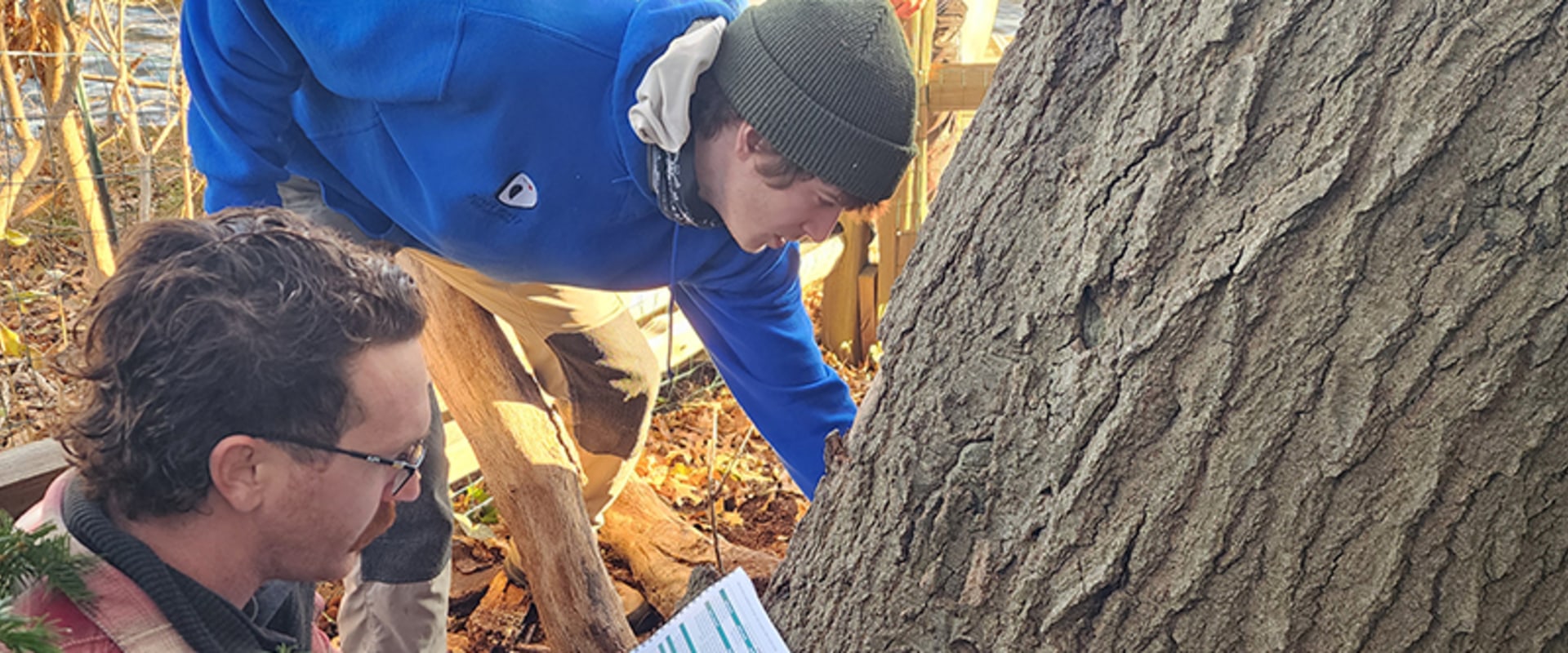
In the realm of horticulture and agriculture, Plant Health Care (PHC) represents a transformative approach that prioritizes the overall health and vitality of plants. Unlike traditional plant care methods, which often focus on reactive measures such as chemical treatments and pest control, PHC emphasizes a proactive strategy. This holistic methodology integrates various practices aimed at enhancing plant resilience, promoting sustainable growth, and minimizing environmental impact. At its core, PHC is about understanding the intricate relationships between plants, their environment, and the organisms that inhabit it. By assessing soil health, monitoring plant conditions, and employing integrated pest management techniques, PHC practitioners can create a balanced ecosystem that supports plant well-being.
This contrasts sharply with conventional methods that may rely heavily on synthetic fertilizers and pesticides, often leading to short-term gains but long-term ecological consequences. The benefits of adopting Plant Health Care are manifold. Not only does it foster healthier plants that are more resistant to diseases and pests, but it also contributes to improved soil quality and biodiversity. As we delve deeper into the differences between PHC and traditional plant care methods, it becomes clear that embracing this innovative approach can lead to more sustainable practices that benefit both growers and the environment.
What is Plant Health Care (PHC)?
Plant Health Care (PHC) is an integrated approach to managing plant health that emphasizes prevention, monitoring, and intervention based on the specific needs of plants. Unlike traditional plant care methods that often rely on reactive measures, PHC focuses on understanding the complex interactions between plants, their environment, and potential stressors.The core principles of PHC include:- Prevention: Implementing practices that reduce the likelihood of pest infestations and diseases before they occur.
- Monitoring: Regularly assessing plant health through observation and diagnostic tools to identify early signs of stress or disease.
- Intervention: Applying targeted treatments based on specific issues identified during monitoring, rather than using broad-spectrum solutions.
- Soil Health: Ensuring optimal soil conditions through proper pH levels, nutrient availability, and microbial activity.
- Water Management: Implementing efficient irrigation practices to prevent overwatering or drought stress.
- Pest and Disease Management: Utilizing integrated pest management (IPM) strategies that combine biological, cultural, and chemical controls tailored to specific threats.
- Cultural Practices: Adopting practices such as crop rotation, companion planting, and proper pruning to enhance plant resilience.
This proactive approach not only benefits individual plants but also contributes to the overall health of ecosystems.
Traditional Plant Care Methods Explained
Traditional plant care methods have long been the cornerstone of horticulture and agriculture, focusing primarily on the visible symptoms of plant distress. These methods typically involve a series of practices aimed at maintaining plant health through direct intervention.- Watering: Regular watering schedules are established based on the needs of specific plants, often without considering environmental factors such as soil moisture or weather conditions.
- Fertilization: Conventional methods often rely on synthetic fertilizers to provide essential nutrients, which can lead to nutrient imbalances and soil degradation over time.
- Pest Control: Traditional pest management frequently employs chemical pesticides that target specific pests but can also harm beneficial insects and disrupt local ecosystems.
- Pruning: Regular pruning is performed to remove dead or diseased branches, but this method does not always address underlying health issues that may be affecting the plant.
- Over-reliance on chemicals: The use of synthetic inputs can create dependency, leading to diminishing returns in plant health and increased resistance among pests.
- Lack of sustainability: Many conventional practices do not promote long-term soil health or biodiversity, which are crucial for sustainable agriculture.
- Reactive rather than proactive approaches: Traditional methods often address problems only after they arise, rather than implementing preventive measures that could enhance overall plant resilience.
Key Differences Between PHC and Traditional Methods
Understanding the key differences between Plant Health Care (PHC) and traditional plant care methods is essential for anyone looking to enhance their gardening or landscaping practices.While both approaches aim to maintain plant health, their methodologies and philosophies diverge significantly.
- Focus on Prevention vs. Reaction: Traditional methods often emphasize reactive measures, such as applying pesticides or fertilizers only when problems arise. In contrast, PHC prioritizes preventive care, aiming to create a robust ecosystem that minimizes the likelihood of pest infestations and diseases.
- Holistic Approach: Plant Health Care takes a holistic view of plant health, considering soil quality, water management, and plant selection. Traditional methods may focus narrowly on individual plants without considering the broader environmental context.
- Use of Integrated Pest Management (IPM): PHC incorporates IPM strategies that utilize biological controls and cultural practices to manage pests sustainably.
Traditional care often relies heavily on chemical treatments, which can lead to resistance and environmental harm.
- Sustainability: PHC promotes sustainable practices that enhance soil health and biodiversity. Traditional methods may overlook these aspects, leading to long-term soil degradation and reduced plant vitality.
- Improved Plant Resilience: By focusing on overall health, plants become more resilient to stressors.
- Environmental Benefits: Reduced reliance on chemicals leads to healthier ecosystems.
- Cost-Effectiveness: Preventive measures can reduce long-term costs associated with pest control and plant replacement.
- Pest Resistance: Overuse of chemical treatments can lead to resistant pest populations.
- Soil Degradation: Continuous chemical application can harm soil health over time.
- Lack of Biodiversity: Traditional methods may not support diverse plant life, which is crucial for a balanced ecosystem.
Benefits of Adopting Plant Health Care (PHC)
Adopting Plant Health Care (PHC) practices offers numerous advantages over traditional plant care methods, making it a compelling choice for both amateur and professional gardeners. One of the primary benefits of PHC is its holistic approach to plant health, which emphasizes understanding the entire ecosystem surrounding the plants.- Enhanced Plant Resilience: PHC focuses on strengthening plants' natural defenses against pests and diseases. By promoting healthy soil and biodiversity, plants become more resilient, reducing the need for chemical interventions.
- Environmental Sustainability: Traditional methods often rely heavily on synthetic fertilizers and pesticides, which can harm the environment.
In contrast, PHC encourages the use of organic amendments and natural pest control methods, leading to a healthier ecosystem.
- Cost-Effectiveness: While initial investments in PHC practices may seem higher, the long-term savings are significant. Healthier plants require fewer inputs and are less likely to suffer from costly pest infestations or diseases.
- Improved Soil Health: PHC emphasizes soil management techniques that enhance soil structure and fertility. Healthy soil not only supports plant growth but also contributes to water retention and reduces erosion.
- Customized Care: PHC allows for tailored care strategies based on specific plant needs and local conditions. This personalized approach leads to better outcomes compared to one-size-fits-all traditional methods.
From enhancing plant resilience to promoting environmental sustainability, PHC provides a comprehensive framework for effective plant management. By choosing PHC, gardeners can ensure healthier plants and a more sustainable gardening practice.
Challenges in Implementing PHC
Implementing Plant Health Care (PHC) strategies can present several challenges that practitioners must navigate to ensure successful outcomes. Understanding these obstacles is crucial for anyone looking to adopt PHC methods effectively. One of the primary challenges is the knowledge gap among practitioners and stakeholders. Many traditional plant care methods are deeply ingrained in horticultural practices, and transitioning to PHC requires a shift in mindset and education.This can lead to resistance from those who are accustomed to conventional techniques. Another significant obstacle is the cost of implementation. While PHC can lead to long-term savings through improved plant health and reduced pesticide use, the initial investment in training, tools, and materials can be daunting for some organizations. Budget constraints may hinder the adoption of these innovative practices. Additionally, environmental variability poses a challenge. PHC strategies often rely on understanding local ecosystems and plant interactions, which can vary widely from one location to another.
This variability necessitates tailored approaches that may require extensive research and adaptation. Furthermore, monitoring and assessment of plant health under PHC can be complex. Unlike traditional methods that may focus on immediate results, PHC emphasizes long-term health and resilience, making it essential to develop effective metrics for success. Lastly, there is a need for collaboration among various stakeholders, including researchers, practitioners, and policymakers. Effective communication and shared goals are vital for overcoming these challenges and ensuring that PHC practices are implemented successfully. In summary, while the transition to Plant Health Care (PHC) offers numerous benefits, it is essential to recognize and address these challenges proactively. By doing so, practitioners can pave the way for more sustainable and effective plant care solutions.
Case Studies: Successful Implementation of PHC
Implementing Plant Health Care (PHC) has proven to be effective in various real-world scenarios, showcasing its advantages over traditional plant care methods.Below are some notable case studies that highlight successful applications of PHC.
Case Study 1: Urban Tree Management
A city in the Midwest adopted a PHC program to manage its urban forest. By focusing on soil health and tree diversity, the city was able to reduce the incidence of pests and diseases by 40% over three years. The program included:- Regular soil testing to assess nutrient levels.
- Targeted fertilization based on specific tree needs.
- Incorporation of beneficial microorganisms to enhance soil health.
Case Study 2: Agricultural Crop Yield Improvement
A farm in California implemented a PHC strategy focusing on integrated pest management and soil health. By utilizing cover crops and organic amendments, the farm saw:- A 30% increase in crop yield.
- A significant reduction in chemical pesticide use.
- Improved resilience against drought conditions.
Case Study 3: Landscape Maintenance in Commercial Properties
A commercial property management company adopted a PHC approach for its landscaping services.By focusing on plant selection and environmental conditions, they achieved:
- A 50% reduction in landscape maintenance costs.
- Enhanced plant health and longevity.
- A more vibrant and appealing outdoor space for tenants and visitors.
Frequently Asked Questions about Plant Health Care (PHC)
As interest in Plant Health Care (PHC) grows, many people have questions about its principles and practices. Here are some frequently asked questions that can help clarify common misconceptions and provide a deeper understanding of PHC.- What is Plant Health Care (PHC)?
PHC is a holistic approach to plant management that focuses on maintaining plant health through proactive measures. It emphasizes prevention, monitoring, and integrated management strategies rather than reactive treatments. - How does PHC differ from traditional plant care?
Unlike traditional methods that often rely on chemical treatments after problems arise, PHC prioritizes the overall health of the plant and its environment. This includes soil health, pest management, and proper watering techniques. - Is PHC environmentally friendly?
Yes, one of the core tenets of PHC is sustainability.By using natural methods and minimizing chemical inputs, PHC promotes a healthier ecosystem.
- Can PHC be applied to all types of plants?
Absolutely! PHC can be adapted for various plants, including trees, shrubs, and ornamental plants. Its principles are versatile and can be tailored to meet the specific needs of different species. - What are some common misconceptions about PHC?
- Many believe that PHC is just another term for organic gardening; however, it encompasses a broader range of practices aimed at overall plant health.
- Another misconception is that PHC requires extensive knowledge or training. While understanding plant biology helps, many basic practices can be implemented by anyone interested in improving their plant care.
Conclusion: The Future of Plant Care with PHC
In conclusion, the shift towards Plant Health Care (PHC) represents a significant evolution in the way we approach plant management. Unlike traditional methods that often focus solely on reactive measures, PHC emphasizes a holistic understanding of plant health, integrating environmental factors, soil health, and pest management into a comprehensive strategy.As we have explored throughout this article, the benefits of adopting PHC practices are manifold:- Proactive Management: By focusing on the overall health of plants rather than just addressing symptoms, PHC allows for early detection and prevention of potential issues.
- Sustainability: PHC promotes sustainable practices that not only enhance plant vitality but also protect the surrounding ecosystem.
- Cost-Effectiveness: Investing in PHC can lead to long-term savings by reducing the need for chemical treatments and minimizing plant loss.
As climate change and urbanization continue to challenge traditional gardening and agricultural methods, Plant Health Care (PHC) offers a resilient framework for ensuring plant health in diverse environments.Ultimately, adopting PHC is not just about improving plant health; it is about fostering a deeper connection with our environment. By prioritizing the well-being of plants through informed and sustainable practices, we can contribute to a healthier planet for future generations.