In the realm of horticulture and landscaping, Plant Health Care (PHC) emerges as a vital practice aimed at ensuring the vitality and longevity of plants. PHC encompasses a holistic approach to plant management, focusing not only on treating existing issues but also on preventing potential problems before they arise. This proactive strategy is essential for maintaining healthy plants that can thrive in their environments, whether in residential gardens, commercial landscapes, or natural ecosystems. The significance of PHC cannot be overstated. By integrating various techniques such as soil management, pest control, and nutrient optimization, PHC services create a balanced ecosystem that supports plant health.
This approach not only enhances the aesthetic appeal of landscapes but also contributes to environmental sustainability. Healthy plants play a crucial role in improving air quality, supporting biodiversity, and providing habitats for wildlife. Moreover, understanding the importance of plant health care services allows gardeners and landscapers to make informed decisions about their plant care strategies. By recognizing the signs that indicate a plant may be in need of PHC services, individuals can take timely action to address issues before they escalate. This not only saves time and resources but also fosters a deeper connection between people and the natural world around them.
Common Signs of Plant Distress
Recognizing the signs of plant distress is essential for maintaining a healthy garden or landscape.Plant Health Care (PHC) services can be crucial in addressing these issues before they escalate. Here are some common indicators that your plants may be in need of attention:
- Wilting: One of the most noticeable signs of distress is wilting leaves or stems. This can occur due to insufficient water, root damage, or disease.
- Discoloration: Leaves that turn yellow, brown, or exhibit unusual spots can indicate nutrient deficiencies, overwatering, or pest infestations. Pay close attention to the color changes as they can provide clues about the plant's health.
- Stunted Growth: If your plants are not growing as expected, it may be a sign of underlying issues such as poor soil quality, inadequate light, or root problems.
- Leaf Drop: Sudden leaf drop can signal stress from environmental changes, pests, or diseases.
If a plant is losing leaves rapidly, it’s time to investigate further.
- Pest Presence: Visible pests such as aphids, spider mites, or whiteflies can cause significant damage. Regularly inspecting your plants for these invaders is crucial for early intervention.
Pest Infestation Indicators
Identifying pest infestation in your plants is crucial for maintaining their health and vitality. Several indicators can signal that your plants may be under attack from pests, prompting the need for Plant Health Care (PHC) services.- Visible Pests: The most obvious sign of a pest problem is the presence of pests themselves.
Look for insects such as aphids, spider mites, or whiteflies on the leaves and stems. These pests can often be seen with the naked eye, and their presence is a clear indication that your plant needs attention.
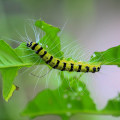
- Damage to Leaves: Check for signs of damage on the leaves, such as holes, discoloration, or wilting. Pests like caterpillars and beetles can cause significant harm by chewing through leaf tissue. Additionally, yellowing leaves may indicate stress caused by pest activity.
- Unusual Droppings: Many pests leave behind droppings or frass, which can appear as small black specks or sticky residue on the leaves and soil.
This waste can attract other pests and lead to further complications if not addressed promptly.
- Webbing: If you notice fine webbing on your plants, particularly in the leaf axils or between branches, it may be a sign of spider mites. These tiny arachnids can quickly multiply and cause severe damage if left unchecked.
- Stunted Growth: If your plants are not growing as expected or seem to be wilting despite proper care, it could be due to a pest infestation. Pests often feed on plant sap, which can hinder growth and overall health.
Nutrient Deficiencies and Toxicities
Identifying nutrient deficiencies and toxicities in plants is crucial for maintaining their health and vitality.Plants require a balanced supply of essential nutrients to thrive, and any imbalance can lead to visible symptoms that indicate a need for Plant Health Care (PHC) services.
Nutrient Deficiencies
- Yellowing Leaves: One of the most common signs of nutrient deficiency is chlorosis, where leaves turn yellow. This often indicates a lack of nitrogen, which is vital for leaf growth.
- Stunted Growth: If a plant is not growing as expected, it may be lacking essential nutrients such as phosphorus or potassium.
- Leaf Drop: Premature leaf drop can signal deficiencies in calcium or magnesium, which are important for cell structure and function.
- Purple or Red Tints: A lack of phosphorus can cause leaves to develop a purple hue, particularly on the undersides.
Nutrient Toxicities
- Burned Leaf Tips: If the tips of leaves appear scorched or brown, this may indicate an excess of nutrients, particularly nitrogen or potassium.
- Wilting: Over-fertilization can lead to root burn, causing plants to wilt despite adequate watering.
- Leaf Curling: Toxicity from certain nutrients, like magnesium or iron, can cause leaves to curl or deform.
Environmental Stress Factors
Plants are incredibly sensitive to their surroundings, and various environmental stress factors can significantly impact their health.Recognizing the signs of environmental stress is crucial for implementing effective Plant Health Care (PHC) services.One of the most common stressors is drought. When plants do not receive adequate water, they may exhibit wilting leaves, stunted growth, and a general lack of vigor. In severe cases, prolonged drought can lead to leaf drop and even plant death. Conversely, excessive moisture can also be detrimental.
Overwatering can cause root rot, leading to yellowing leaves and a mushy root system. Signs of overwatering include a sudden drop in leaf turgor and a foul smell emanating from the soil.Poor soil conditions are another significant factor affecting plant health. Soil that is too compacted can restrict root growth and limit access to essential nutrients and water. Signs of poor soil conditions include poor drainage, which can lead to waterlogged roots, and nutrient deficiencies, which may manifest as discoloration or abnormal leaf shapes.
Key environmental stress factors include:
- Drought: Wilting leaves, stunted growth, leaf drop.
- Excessive moisture: Yellowing leaves, root rot, foul soil odor.
- Poor soil conditions: Compacted soil, poor drainage, nutrient deficiencies.
By monitoring plants for these signs of stress, you can take proactive measures to improve their conditions and ensure they receive the necessary Plant Health Care (PHC) services to thrive.
Fungal and Bacterial Infections
Plants are susceptible to a variety of fungal and bacterial infections, which can significantly impact their health and growth. Recognizing the signs of these infections early is crucial for effective Plant Health Care (PHC) intervention.Common Signs of Fungal Infections:
- Mold Growth: A visible layer of mold on leaves or soil is a clear indicator of fungal issues. This often appears as a white, gray, or black coating.
- Leaf Spots: Dark, water-soaked spots on leaves can signify fungal infections. These spots may expand and lead to leaf drop if not addressed.
- Wilting: Fungal pathogens can cause root rot, leading to wilting even when the soil is moist.
This is often due to the plant's inability to absorb water effectively.
Identifying Bacterial Infections:
- Discoloration: Yellowing or browning of leaves, especially at the edges, can indicate bacterial infection. This discoloration may spread rapidly.
- Water-soaked Areas: Bacterial infections often cause water-soaked lesions on leaves or stems, which may eventually turn dark and necrotic.
- Gummy Exudates: A sticky substance oozing from infected areas is a telltale sign of bacterial activity, often seen on stems or leaf surfaces.
Seasonal Changes and Their Impact on Plant Health
Seasonal changes play a crucial role in the overall health of plants, influencing their growth patterns, nutrient needs, and susceptibility to pests and diseases. Understanding how these seasonal shifts affect plant health can help you identify when your plants may require Plant Health Care (PHC) services.Spring: Awakening and Growth
- As temperatures rise and daylight increases, many plants begin to emerge from dormancy.
Look for signs of new growth, such as budding leaves or flowers.
- If you notice stunted growth or yellowing leaves during this time, it may indicate nutrient deficiencies or root issues that require PHC intervention.
Summer: Peak Growth and Stress
- During the summer months, plants are often at their most vibrant. However, heat stress can lead to wilting or browning leaves. If your plants show signs of distress despite adequate watering, they may need PHC services to address underlying issues.
- Pest infestations are also common in summer. Keep an eye out for unusual spots on leaves or visible insects, which could signal a need for pest management.
Autumn: Preparation for Dormancy
- As temperatures drop, plants begin to prepare for winter.
This is a critical time to assess their health. If leaves are dropping prematurely or turning brown before the season ends, it may indicate stress or disease.
- Consider conducting a soil test in the fall to ensure that your plants have the necessary nutrients to survive the winter months.
Winter: Dormancy and Vulnerability
- While many plants enter a dormant phase during winter, they can still be vulnerable to extreme cold and desiccation. Signs of distress include cracked bark or leaf drop in evergreen species.
- If you notice these symptoms, it may be time to consult with a PHC professional to implement protective measures for your plants.
When to Seek Professional PHC Services
Recognizing the right time to seek Plant Health Care (PHC) services can significantly impact the health and longevity of your plants. Here are some key signs that indicate it may be time to call in the professionals:- Visible Damage: If you notice significant leaf discoloration, wilting, or signs of pest infestation, it’s crucial to act quickly.
These symptoms often indicate underlying issues that require expert intervention.
- Stunted Growth: When plants fail to thrive despite proper care, it may signal nutrient deficiencies or root problems. A professional can diagnose these issues and recommend appropriate treatments.
- Unusual Growth Patterns: If your plants exhibit abnormal growth, such as excessive leggy growth or distorted leaves, this could be a sign of environmental stress or disease that needs professional assessment.
- Persistent Pests: If you find that common pests like aphids or spider mites keep returning despite your best efforts to control them, it may be time to consult a PHC specialist who can provide targeted pest management solutions.
- Soil Issues: Poor drainage, compacted soil, or an unpleasant odor from the soil can indicate serious problems. A PHC expert can evaluate soil health and recommend amendments or treatments.
By being vigilant and recognizing these signs early, you can ensure your plants receive the care they need to flourish.
Frequently Asked Questions about Plant Health Care (PHC)
When it comes to Plant Health Care (PHC), many homeowners and gardeners have questions about the signs that indicate their plants may need professional assistance. Understanding these signs can help you maintain a healthy garden and prevent further damage.- Yellowing Leaves: One of the most common indicators that a plant is struggling is the yellowing of its leaves. This can be a sign of nutrient deficiency, overwatering, or pest infestations.
- Wilting or Drooping: If your plants appear wilted or droopy despite adequate watering, it may indicate root problems or disease. This is a critical sign that should not be ignored.
- Stunted Growth: If your plants are not growing as expected, it could be due to poor soil health, lack of nutrients, or environmental stressors.
Stunted growth often requires intervention.
- Pest Infestations: Visible pests such as aphids, spider mites, or whiteflies can severely affect plant health. If you notice an increase in pests, it’s time to consider PHC services.
- Fungal Growth: The presence of mold or fungus on leaves or soil can indicate overwatering or poor air circulation. This can lead to serious health issues for your plants.
Conclusion: Ensuring Optimal Plant Health through Awareness and Action
In conclusion, recognizing the signs that indicate a plant may be in need of Plant Health Care (PHC) services is crucial for maintaining vibrant and healthy plants.By being vigilant and proactive, you can ensure that your plants thrive and contribute positively to your environment.Throughout this article, we have discussed various indicators that suggest a plant's health is compromised. These include:
- Discoloration of leaves: Yellowing or browning leaves can signal nutrient deficiencies or environmental stress.
- Wilting: A plant that appears droopy or limp may be suffering from inadequate water supply or root issues.
- Pest infestations: The presence of insects or visible damage on leaves often necessitates immediate PHC intervention.
- Stunted growth: If a plant is not growing as expected, it may require a thorough assessment to identify underlying problems.
- Mold or fungus: Fungal growth on the soil surface or plant parts can indicate overwatering or poor air circulation.