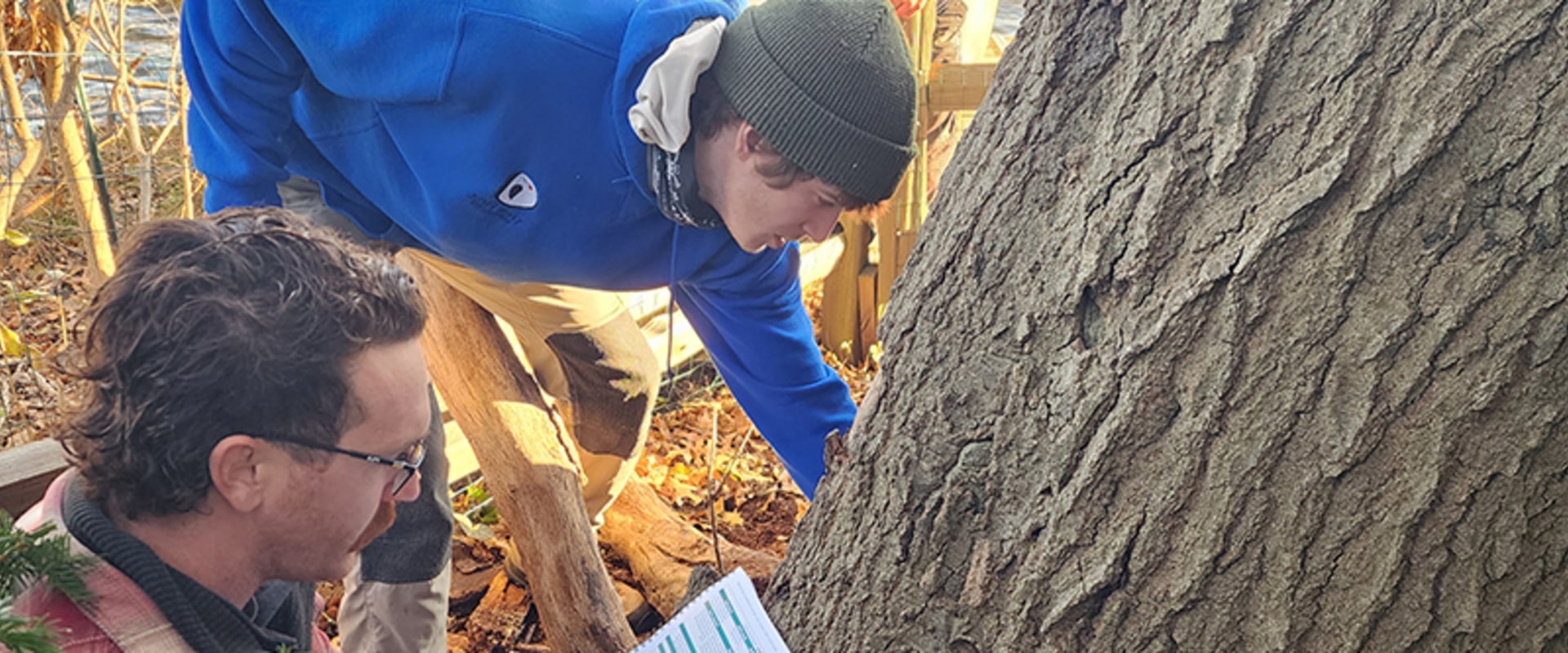
In an era where environmental sustainability is paramount, Plant Health Care (PHC) emerges as a vital approach to managing plant health and vitality. This holistic framework emphasizes the importance of understanding the intricate relationships between plants, their environment, and the various factors that influence their growth. By prioritizing the health of plants through proactive measures, PHC not only enhances the aesthetic and functional value of landscapes but also contributes to ecological balance. The principles of Plant Health Care are rooted in a comprehensive understanding of plant biology and ecology. They advocate for practices that promote resilience against pests, diseases, and environmental stressors.
This proactive stance is essential in today’s changing climate, where traditional methods of plant care may no longer suffice. By integrating cultural, biological, and chemical strategies, PHC provides a framework that supports sustainable plant management while minimizing negative impacts on the ecosystem. Moreover, the significance of PHC extends beyond individual plants; it encompasses entire ecosystems. Healthy plants contribute to improved air quality, enhanced biodiversity, and increased carbon sequestration. As we delve deeper into the key principles of Plant Health Care, it becomes clear that adopting these practices is not merely beneficial for plants but is also crucial for fostering a healthier planet.
What is Plant Health Care (PHC)?
Plant Health Care (PHC) is a comprehensive approach to managing plant health that emphasizes prevention, monitoring, and intervention strategies.It integrates various practices aimed at promoting the overall vitality of plants while minimizing the impact of pests, diseases, and environmental stressors. The primary goal of PHC is to create a sustainable ecosystem where plants can thrive naturally.At its core, Plant Health Care focuses on understanding the specific needs of plants and their surrounding environment. This involves:
- Assessment: Regular evaluation of plant health through visual inspections and soil testing to identify potential issues before they escalate.
- Prevention: Implementing cultural practices such as proper watering, fertilization, and mulching to enhance plant resilience against diseases and pests.
- Monitoring: Keeping track of plant conditions and environmental factors to detect changes that may affect health.
- Intervention: Applying targeted treatments when necessary, using integrated pest management (IPM) techniques that prioritize eco-friendly solutions.
- Enhancing Plant Vitality: By focusing on the overall health of plants, PHC aims to improve their growth and productivity.
- Sustainability: Promoting practices that are environmentally friendly and reduce reliance on chemical inputs.
- Cost-Effectiveness: By preventing problems before they arise, PHC can lead to reduced costs associated with plant care and maintenance.
By prioritizing plant health through a holistic approach, it fosters healthier ecosystems and more resilient plants.
The Key Principles of Plant Health Care (PHC)
Understanding the key principles of Plant Health Care (PHC) is essential for anyone looking to maintain healthy plants and landscapes. These principles focus on a holistic approach to plant management, emphasizing prevention, monitoring, and intervention strategies that promote plant vitality.- Prevention: The first principle of PHC is prevention. This involves creating an environment that minimizes stressors and enhances plant resilience. Techniques such as selecting the right plant species for specific environments, improving soil health, and ensuring proper irrigation practices are crucial.
- Monitoring: Regular monitoring of plant health is vital.
This includes observing plants for signs of pests, diseases, and nutrient deficiencies. By implementing a systematic approach to monitoring, such as using checklists or digital tools, caretakers can identify issues early and take appropriate action.
- Intervention: When problems are detected, timely intervention is necessary. This may involve targeted treatments such as organic pesticides or fertilizers that address specific issues without harming beneficial organisms. The goal is to manage problems effectively while maintaining ecological balance.
- Education: Educating oneself and others about plant care practices is another key principle of PHC.
Knowledge about local ecosystems, pest life cycles, and sustainable practices empowers individuals to make informed decisions that benefit both plants and the environment.
- Integration: Finally, integrating various management strategies is essential for effective plant care. This means combining cultural practices, biological controls, and chemical methods in a way that supports overall plant health while minimizing negative impacts.
Principle 1: Prevention and Monitoring
In the realm of Plant Health Care (PHC), the principles of prevention and monitoring are foundational to maintaining robust plant health. By focusing on these aspects, gardeners and agricultural professionals can significantly reduce the incidence of pests and diseases, ensuring that plants thrive in their environments.Preventive Measures in PHC
- Soil Health: Healthy soil is the cornerstone of plant vitality.
Regular soil testing can help identify nutrient deficiencies and pH imbalances, allowing for timely amendments.
- Diverse Planting: Incorporating a variety of plant species can create a balanced ecosystem that naturally deters pests and diseases. This practice, known as polyculture, enhances resilience against environmental stressors.
- Proper Watering Techniques: Overwatering or underwatering can lead to root rot or drought stress. Implementing efficient irrigation systems and monitoring moisture levels can prevent these issues.
- Crop Rotation: Rotating crops each season helps disrupt pest life cycles and reduces soil-borne diseases, promoting healthier plant growth.
Monitoring Plant Health
Regular monitoring is essential for early detection of potential problems. Here are some effective strategies:
- Visual Inspections: Conducting routine checks for signs of pests, diseases, or nutrient deficiencies allows for quick intervention before issues escalate.
- Use of Technology: Employing tools such as soil moisture sensors and plant health monitoring apps can provide real-time data on plant conditions, enabling proactive management.
- Pest Traps: Setting up traps can help monitor pest populations and inform decisions about when to take action.
This proactive approach not only enhances plant vitality but also contributes to sustainable gardening and agricultural practices.
Principle 2: Integrated Pest Management (IPM)
Integrated Pest Management (IPM) is a cornerstone of Plant Health Care (PHC), focusing on sustainable and environmentally friendly strategies to manage pest populations. Rather than relying solely on chemical pesticides, IPM employs a holistic approach that combines various management techniques to minimize pest damage while promoting plant health.Key Strategies of IPM:
- Monitoring and Identification: Regularly inspecting plants for signs of pests and accurately identifying them is crucial. This helps in understanding the pest's life cycle and behavior, allowing for timely interventions.
- Threshold Levels: Establishing action thresholds helps determine when pest populations reach a level that requires management. This prevents unnecessary treatments and reduces pesticide use.
- Biological Control: Utilizing natural predators or parasites to control pest populations is a fundamental aspect of IPM.
For example, introducing ladybugs can help manage aphid infestations.
- Cultural Practices: Implementing practices such as crop rotation, intercropping, and proper sanitation can disrupt pest life cycles and reduce their impact on plants.
- Mechanical and Physical Controls: Techniques like traps, barriers, and hand-picking pests can effectively reduce pest numbers without chemicals.
- Chemical Control: When necessary, the judicious use of pesticides is integrated into the IPM strategy. Selecting targeted products that minimize harm to beneficial organisms is essential.
Principle 3: Soil Health Management
Soil health is a cornerstone of Plant Health Care (PHC), as it directly influences the vitality and resilience of plants. Healthy soil provides essential nutrients, supports beneficial microorganisms, and enhances water retention, all of which are critical for optimal plant growth.To effectively manage soil health within the framework of PHC, several practices can be implemented:- Soil Testing: Regular soil testing helps identify nutrient deficiencies and pH imbalances.
This information is crucial for making informed decisions about amendments and fertilizers.
- Organic Matter Addition: Incorporating organic matter, such as compost or well-rotted manure, improves soil structure, increases nutrient availability, and promotes microbial activity.
- Crop Rotation: Rotating different crops can prevent nutrient depletion and reduce pest and disease cycles. This practice enhances biodiversity in the soil ecosystem.
- Cover Cropping: Planting cover crops during off-seasons protects the soil from erosion, suppresses weeds, and adds organic matter when tilled back into the soil.
- No-Till Farming: Minimizing tillage preserves soil structure and reduces disruption to microbial communities. This practice can lead to improved water infiltration and reduced erosion.
Principle 4: Proper Plant Selection and Placement
One of the foundational aspects of Plant Health Care (PHC) is the principle of proper plant selection and placement.This principle emphasizes the importance of choosing plants that are well-suited to their specific environments, which can significantly enhance their growth and resilience.
Plant Selection in PHC
- Native Species: Selecting native plants is often the best choice, as they are adapted to local soil, climate, and pest conditions. Native plants typically require less maintenance and are more resilient to local diseases.
- Site Conditions: Consider factors such as soil type, moisture levels, sunlight exposure, and temperature when selecting plants. For instance, a plant that thrives in full sun may struggle in shaded areas.
- Growth Habits: Understanding the mature size and growth habits of plants is crucial. Overcrowding can lead to competition for resources, making plants more susceptible to stress and disease.
Optimal Plant Placement
- Spacing: Proper spacing between plants allows for adequate air circulation and light penetration, reducing the risk of fungal diseases and promoting healthy growth.
- Microclimates: Take advantage of microclimates within your landscape.
For example, placing heat-loving plants near walls or structures can enhance their growth potential.
- Aesthetic Considerations: While health is paramount, aesthetic appeal should not be overlooked. Thoughtful placement can create visually pleasing arrangements that also support plant health.
Principle 5: Cultural Practices and Maintenance
Effective Plant Health Care (PHC) relies heavily on the implementation of sound cultural practices and maintenance techniques. These practices not only enhance plant vitality but also mitigate the risk of disease and pest infestations.Watering Techniques
Proper watering is crucial for maintaining healthy plants.Overwatering can lead to root rot, while underwatering can stress plants. Here are some key points to consider:
- Soil moisture monitoring: Regularly check soil moisture levels to determine when to water.
- Deep watering: Water deeply and less frequently to encourage deep root growth.
- Time of day: Water early in the morning or late in the afternoon to reduce evaporation.
Pruning Techniques
Pruning is essential for promoting healthy growth and improving air circulation. Here are some effective pruning strategies:- Remove dead or diseased branches: This helps prevent the spread of disease.
- Thin out crowded areas: Reducing density allows for better light penetration and airflow.
- Shape plants: Regular shaping encourages a more robust structure and aesthetic appeal.
Fertilization Practices
The right fertilization techniques can significantly enhance plant health. Consider the following:- Soil testing: Conduct soil tests to determine nutrient deficiencies before applying fertilizers.
- Organic options: Utilize organic fertilizers to improve soil health and provide a slow release of nutrients.
- Synchronized application: Apply fertilizers during the growing season when plants can utilize them most effectively.
By focusing on proper watering, effective pruning, and strategic fertilization, you can ensure that your plants thrive throughout their life cycle.
Frequently Asked Questions about Plant Health Care (PHC)
Plant Health Care (PHC) is a comprehensive approach to managing plant health that emphasizes prevention, monitoring, and intervention. Here are some frequently asked questions about PHC:- What is the primary goal of Plant Health Care (PHC)? The main goal of PHC is to maintain healthy plants by addressing their needs proactively. This includes ensuring optimal growing conditions, managing pests and diseases, and promoting overall plant vigor.
- How does PHC differ from traditional pest control? Unlike traditional pest control methods that often focus solely on eliminating pests, PHC takes a holistic approach. It considers the entire ecosystem, including soil health, plant nutrition, and environmental factors, to create a balanced environment that minimizes pest issues.
- What are some key components of a PHC program? A successful PHC program typically includes:
- Soil Management: Ensuring soil health through proper pH levels, organic matter content, and nutrient availability.
- Plant Selection: Choosing the right plants for the specific environment to enhance resilience against pests and diseases.
- Pest Monitoring: Regularly inspecting plants for signs of stress or pest activity to catch issues early.
- Integrated Pest Management (IPM): Utilizing a combination of biological, cultural, and chemical controls to manage pests sustainably.
- Can PHC be applied in residential gardens? Absolutely! Home gardeners can implement PHC principles by focusing on soil health, selecting appropriate plants for their climate, and monitoring their gardens regularly.
This proactive approach can lead to healthier plants and reduced reliance on chemical treatments.
Conclusion: The Importance of Adopting PHC Principles
In conclusion, adopting the principles of Plant Health Care (PHC) is essential for fostering sustainable plant health management. By focusing on a holistic approach that emphasizes prevention, monitoring, and integrated practices, PHC not only enhances the vitality of plants but also contributes to the overall health of the ecosystem.The key benefits of implementing PHC principles include:- Improved Plant Resilience: By understanding the specific needs of plants and their environments, PHC promotes stronger, more resilient plants that can better withstand pests and diseases.
- Reduced Chemical Dependency: PHC encourages the use of natural pest control methods and organic fertilizers, minimizing reliance on synthetic chemicals that can harm beneficial organisms and degrade soil health.
- Enhanced Soil Health: Healthy soil is the foundation of plant health. PHC practices focus on maintaining soil structure, fertility, and microbial activity, which are crucial for nutrient uptake and overall plant vigor.
- Environmental Sustainability: By integrating ecological principles into plant management, PHC supports biodiversity and helps maintain balanced ecosystems, which are vital for long-term agricultural success.