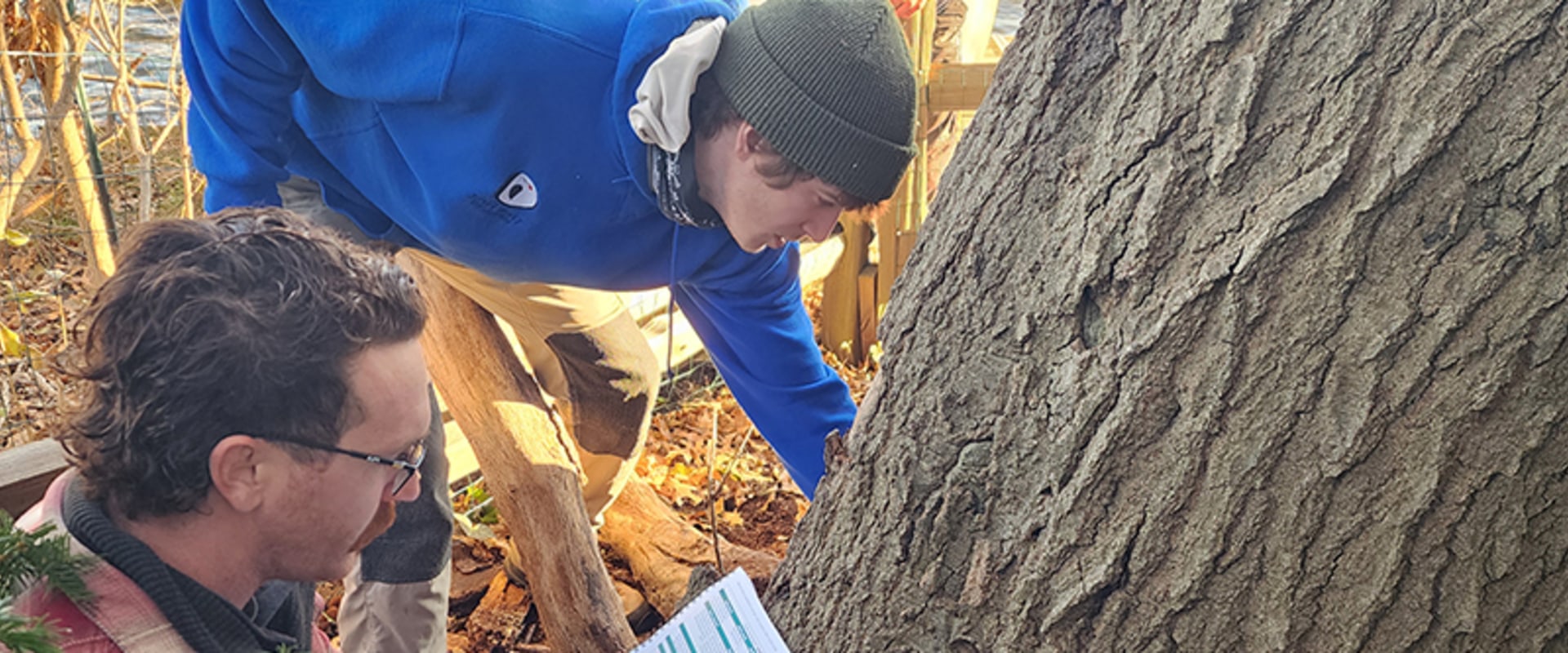
Plant Health Care (PHC) is a comprehensive approach to managing the health of plants, focusing on prevention, monitoring, and intervention strategies that promote optimal growth and resilience. This method emphasizes understanding the complex interactions between plants, their environment, and potential stressors such as pests, diseases, and environmental conditions. By adopting a holistic view of plant health, PHC not only addresses immediate issues but also fosters long-term sustainability and vitality. The importance of PHC cannot be overstated. In an era where environmental concerns are paramount, implementing effective plant health strategies contributes significantly to ecological balance.
Healthy plants play a crucial role in carbon sequestration, soil stabilization, and providing habitats for various organisms. Moreover, a well-structured PHC plan can lead to reduced reliance on chemical treatments, promoting a more organic approach to plant care that benefits both the ecosystem and human health. One of the key benefits of PHC is its ability to enhance plant resilience against stressors. By focusing on soil health, nutrient management, and appropriate watering practices, plants can better withstand adverse conditions such as drought or disease outbreaks. Additionally, PHC encourages the use of integrated pest management techniques that minimize chemical inputs while effectively controlling pest populations.
This not only leads to healthier plants but also supports biodiversity and reduces the environmental footprint of plant care practices.
Key Components of a PHC Plan
Developing a comprehensive Plant Health Care (PHC) plan requires careful consideration of several key components that work together to ensure the health and vitality of plants. Below are the essential elements that should be included in any effective PHC strategy:- Assessment: The first step in a PHC plan is to conduct a thorough assessment of the plants and their environment. This includes evaluating soil health, moisture levels, and existing pest or disease pressures. Understanding these factors helps in tailoring the care plan to meet specific needs.
- Monitoring: Continuous monitoring is crucial for identifying changes in plant health over time.
Regular inspections can help detect early signs of stress, pest infestations, or disease outbreaks. Utilizing tools such as soil moisture sensors and visual inspections can enhance this process.
- Management Strategies: A successful PHC plan incorporates various management strategies tailored to the specific needs of the plants. This may include:
- Cultural Practices: Implementing practices such as crop rotation, proper watering techniques, and mulching can significantly improve plant resilience.
- Pest Management: Integrating pest management strategies, including biological controls and targeted pesticide applications, helps maintain plant health while minimizing environmental impact.
- Nutrient Management: Regular soil testing and appropriate fertilization based on plant needs ensure that nutrients are available for optimal growth.
- Evaluation: Finally, an effective PHC plan includes a system for evaluating its success. This involves reviewing plant health outcomes and adjusting strategies as necessary to improve results over time.
Assessing Plant Health: Initial Evaluation Techniques
Assessing plant health is a critical first step in developing an effective Plant Health Care (PHC) plan.By employing various evaluation techniques, you can identify specific issues affecting your plants and tailor your care strategies accordingly.
Visual Inspections
One of the most straightforward methods for evaluating plant health is through visual inspections. This technique involves closely examining plants for signs of stress, disease, or pest infestations. Key indicators to look for include:- Leaf discoloration: Yellowing or browning leaves can indicate nutrient deficiencies or environmental stress.
- Wilting: This may suggest inadequate watering or root problems.
- Pest presence: Look for visible insects or webbing that may signal an infestation.
- Fungal growth: Mold or mildew on leaves can indicate overwatering or poor air circulation.
Soil Testing
Another essential technique is soil testing, which provides valuable insights into the nutrient composition and pH levels of the soil. This information is crucial for understanding what amendments may be necessary to support plant health.Soil tests can reveal:
- Nutrient levels: Identifying deficiencies in nitrogen, phosphorus, potassium, and other essential nutrients.
- pH balance: Ensuring the soil pH is within the optimal range for the specific plants being cultivated.
- Organic matter content: Assessing the amount of organic material can help determine soil fertility and structure.
Monitoring and Data Collection for Effective PHC
Effective Plant Health Care (PHC) relies heavily on continuous monitoring and systematic data collection. These practices are essential for understanding plant health dynamics and making informed management decisions.By tracking changes over time, you can identify trends, diagnose issues early, and implement timely interventions.
Importance of Monitoring Plant Health
Regular monitoring allows for the early detection of potential problems such as pest infestations, diseases, or nutrient deficiencies. This proactive approach not only helps in maintaining plant vigor but also minimizes the need for reactive measures that can be more costly and less effective.Data Collection Methods for PHC
There are several methods to collect data on plant health:- Visual Inspections: Regularly inspect plants for signs of stress, discoloration, or abnormal growth patterns.
- Soil Testing: Analyze soil samples to assess nutrient levels and pH balance, which are critical for plant health.
- Remote Sensing: Utilize technology such as drones or satellite imagery to monitor large areas and assess plant health from above.
- Growth Measurements: Track growth rates and biomass accumulation to evaluate the effectiveness of your PHC strategies.
Tracking Plant Health Changes
To effectively track changes in plant health, it is crucial to establish a baseline. This baseline can be created through initial assessments that document the current state of the plants. Subsequent data should be compared against this baseline to identify any significant changes.Utilizing software tools or mobile applications can streamline this process by allowing you to log observations and analyze trends over time.In conclusion, ongoing monitoring and data collection are vital components of a successful PHC plan. By employing various methods to track plant health, you can ensure that your plants remain healthy and productive throughout their lifecycle.
Integrated Pest Management (IPM) in PHC Plans
Integrating Integrated Pest Management (IPM) into a Plant Health Care (PHC) plan is essential for effective pest control while promoting environmental sustainability. IPM is a holistic approach that combines various management strategies to minimize pest populations and their impact on plants.Key IPM Strategies in PHC
- Monitoring and Identification: Regularly inspect plants for signs of pest activity. Accurate identification of pests is crucial for determining the appropriate management strategy.
- Threshold Levels: Establish action thresholds to determine when pest populations reach a level that requires intervention.
This helps avoid unnecessary treatments and reduces pesticide use.
- Cultural Controls: Implement practices such as crop rotation, proper watering, and soil management to create an environment less conducive to pest infestations.
- Biological Controls: Utilize natural predators or parasites to manage pest populations. This can include introducing beneficial insects or using microbial pesticides.
- Mechanical Controls: Employ physical barriers, traps, or manual removal of pests to reduce their numbers without chemical intervention.
- Chemical Controls: When necessary, select targeted pesticides that are least harmful to beneficial organisms and the environment. Always follow label instructions and apply at the right time for maximum effectiveness.
- Education and Training: Ensure that all personnel involved in plant care are trained in IPM principles and practices.
- Record Keeping: Maintain detailed records of pest monitoring, treatments applied, and outcomes to evaluate the effectiveness of the IPM strategies over time.
- Collaboration: Work with local extension services or pest management professionals to stay updated on best practices and emerging pest threats.
Soil Health and Its Role in Plant Health Care
Soil health is a fundamental component of Plant Health Care (PHC), as it directly influences the growth, development, and resilience of plants. Healthy soil provides essential nutrients, supports beneficial microorganisms, and enhances water retention, all of which are critical for optimal plant health.Understanding the importance of soil health in PHC involves recognizing how soil conditions affect plant vitality.Poor soil quality can lead to nutrient deficiencies, increased susceptibility to pests and diseases, and overall reduced plant performance. Therefore, improving soil health should be a priority in any effective PHC plan.
Strategies for Improving Soil Health
- Soil Testing: Regular soil testing is essential to determine nutrient levels and pH balance. This information helps in making informed decisions about amendments and fertilizers.
- Organic Matter Addition: Incorporating organic matter such as compost or well-rotted manure can enhance soil structure, increase nutrient availability, and promote microbial activity.
- Crop Rotation: Implementing crop rotation can prevent nutrient depletion and reduce pest populations by disrupting their life cycles.
- Cover Crops: Planting cover crops during off-seasons protects the soil from erosion, improves soil structure, and adds nutrients back into the soil when tilled under.
- No-Till Practices: Reducing tillage minimizes soil disturbance, preserving its structure and the habitat for beneficial organisms.
Choosing the Right Fertilizers and Amendments
When developing a Plant Health Care (PHC) plan, selecting the right fertilizers and amendments is crucial for promoting optimal plant growth and resilience.The choice of fertilizers can significantly impact soil health, nutrient availability, and overall plant vigor.
Understanding Fertilizer Types
Fertilizers can be broadly categorized into two types: synthetic and organic. Synthetic fertilizers are chemically manufactured and provide nutrients in a readily available form, which can lead to quick results. However, they may also contribute to soil degradation over time. On the other hand, organic fertilizers, derived from natural sources such as compost or manure, improve soil structure and promote microbial activity, leading to long-term benefits.Key Considerations for Selecting Fertilizers
- Nutrient Requirements: Conduct a soil test to determine the existing nutrient levels and pH.
This will help identify specific nutrient deficiencies that need to be addressed.
- Plant Type: Different plants have varying nutrient needs. For instance, flowering plants may require higher phosphorus levels, while leafy greens benefit from nitrogen-rich fertilizers.
- Application Timing: Timing is essential when applying fertilizers. Early spring is often ideal for many plants, but understanding the growth cycle of specific species is vital.
The Role of Soil Amendments
In addition to fertilizers, incorporating soil amendments can enhance the effectiveness of a PHC plan. Amendments such as compost, gypsum, or lime can improve soil structure, increase water retention, and adjust pH levels.For example:
- Compost: Enriches the soil with organic matter and beneficial microorganisms.
- Gypsum: Helps improve soil drainage and reduces compaction without altering pH.
- Lime: Raises soil pH in acidic soils, making nutrients more available to plants.
Environmental Considerations in Developing a PHC Plan
When developing a Plant Health Care (PHC) plan, it is crucial to consider various environmental factors that can significantly impact plant health and ecosystem sustainability. These factors not only influence the effectiveness of the PHC strategies but also ensure that the practices employed are eco-friendly and promote long-term ecological balance.1.Soil Health
- The quality of soil is foundational to plant health. Testing soil for pH, nutrient levels, and organic matter content can guide the selection of appropriate amendments and fertilizers.
- Utilizing organic matter, such as compost, can enhance soil structure and fertility while promoting beneficial microbial activity.
2.Water Management
- Efficient water use is essential in a sustainable PHC plan.
Implementing drip irrigation or rainwater harvesting systems can minimize water waste and reduce runoff.
- Monitoring local water sources and understanding their impact on plant health can help in making informed decisions about irrigation practices.
3.Biodiversity
- Encouraging biodiversity within the landscape can lead to natural pest control and improved resilience against diseases. Planting a variety of species can create a balanced ecosystem.
- Integrating native plants into the PHC plan can support local wildlife and reduce the need for chemical interventions.
4.Climate Considerations
- Understanding the local climate is vital for selecting appropriate plant species and care strategies. Factors such as temperature, humidity, and seasonal changes should inform planting schedules and maintenance practices.
- Adapting to climate change by selecting drought-resistant or heat-tolerant plants can enhance sustainability in plant care.
Common Challenges in Implementing a PHC Plan
Implementing a Plant Health Care (PHC) plan can be a complex process, often fraught with various challenges that can hinder its effectiveness.Understanding these common obstacles is crucial for developing strategies to overcome them.
- Lack of Knowledge and Training: One of the primary challenges in PHC implementation is the insufficient knowledge among staff regarding plant health management practices. This can lead to improper assessments and ineffective treatments. To address this, organizations should invest in comprehensive training programs that cover the fundamentals of plant health, pest management, and disease identification.
- Inadequate Resources: Limited financial and material resources can significantly impact the execution of a PHC plan. Without access to necessary tools, products, and technology, maintaining plant health becomes difficult.
Organizations should prioritize budgeting for PHC initiatives and explore partnerships with suppliers for better resource allocation.
- Pest Resistance: The emergence of resistant pests can pose a significant challenge to effective plant care. This resistance often results from over-reliance on specific treatments. To combat this issue, it is essential to adopt an integrated pest management approach that includes rotating treatments and utilizing biological controls.
- Environmental Factors: External environmental conditions such as climate change, soil quality, and water availability can affect plant health. Regular monitoring and adapting the PHC plan to account for these variables is vital.
Implementing sustainable practices can also help mitigate adverse environmental impacts.
- Communication Gaps: Effective communication among team members is crucial for successful PHC implementation. Misunderstandings or lack of information can lead to inconsistent care practices. Establishing clear communication channels and regular meetings can help ensure everyone is on the same page regarding plant health strategies.
(FAQs) Frequently Asked Questions about Plant Health Care Plans
When considering a Plant Health Care (PHC) plan, many individuals have questions regarding its implementation and effectiveness. Here are some frequently asked questions that can help clarify common concerns:What is a Plant Health Care plan?
A Plant Health Care plan is a comprehensive approach to managing the health of plants, focusing on prevention, monitoring, and treatment of plant diseases and pests.It aims to promote plant vitality while minimizing the use of chemical treatments.
Why is a PHC plan important?
A well-structured PHC plan is crucial for maintaining healthy plants and landscapes. It helps in:- Identifying potential issues before they become severe.
- Reducing the need for reactive treatments.
- Enhancing the overall aesthetic and ecological value of your landscape.
How often should a PHC plan be reviewed?
It is recommended to review your PHC plan at least once a year, or more frequently if you notice changes in plant health or environmental conditions. Regular assessments allow for timely adjustments to treatment strategies.What factors should be included in a PHC plan?
A comprehensive PHC plan should include:- Soil health assessment: Understanding soil composition and nutrient levels is vital for plant growth.
- Pest and disease monitoring: Regular checks for signs of pests or diseases can prevent outbreaks.
- Cultural practices: Implementing proper watering, pruning, and fertilization techniques supports plant health.
Can I implement a PHC plan myself?
While some aspects of a Plant Health Care plan can be managed independently, consulting with a professional can provide valuable insights and expertise, especially for complex issues or large landscapes. If you have further questions about developing or implementing a PHC plan, consider reaching out to local horticultural experts or extension services for personalized guidance.(Conclusion) Summarizing Key Factors for an Effective PHC Plan
In conclusion, developing an effective Plant Health Care (PHC) plan requires a comprehensive understanding of several key factors that contribute to the overall health and vitality of plants. By synthesizing the insights discussed throughout this article, we can identify the essential components that should be prioritized.- Assessment of Plant Health: Regularly evaluating the health of plants is crucial.
This includes identifying any signs of stress, disease, or pest infestations early on to implement timely interventions.
- Soil Health Management: Healthy soil is the foundation of a successful PHC plan. Ensuring proper soil composition, pH levels, and nutrient availability will support robust plant growth.
- Integrated Pest Management (IPM): Utilizing IPM strategies allows for a balanced approach to pest control, minimizing chemical use while effectively managing pest populations.
- Water Management: Proper irrigation practices are vital. Understanding the water needs of different plant species and adjusting watering schedules accordingly can prevent both overwatering and drought stress.
- Education and Training: Continuous education for those involved in plant care is essential. Staying informed about the latest research, techniques, and technologies in PHC can lead to more effective management practices.
Ultimately, a well-structured PHC strategy leads to thriving landscapes and healthier ecosystems.