Plant Health Care (PHC) is an essential approach in sustainable agriculture that focuses on maintaining the health of plants through a holistic understanding of their needs and the environment in which they grow. Unlike traditional methods that often rely heavily on chemical inputs, PHC emphasizes preventive measures, integrated pest management, and the use of organic practices to promote plant vitality. This proactive strategy not only enhances crop yield but also contributes to the overall health of ecosystems. The importance of PHC practices cannot be overstated, especially in the context of increasing environmental challenges. By prioritizing plant health, farmers can reduce their reliance on synthetic fertilizers and pesticides, leading to healthier soils and reduced pollution.
Furthermore, PHC fosters biodiversity by encouraging a variety of plant species, which can improve resilience against pests and diseases. As climate change continues to alter weather patterns and increase the frequency of extreme events, the need for robust PHC practices becomes even more critical. Understanding how climate change impacts Plant Health Care is vital for adapting agricultural practices to ensure food security and environmental sustainability. As temperatures rise and precipitation patterns shift, plants face new stresses that can compromise their health. This section will delve into the intricate relationship between climate change and PHC, exploring how these changes necessitate a reevaluation of current practices to safeguard our agricultural systems and natural landscapes.
The Effects of Climate Change on Agriculture
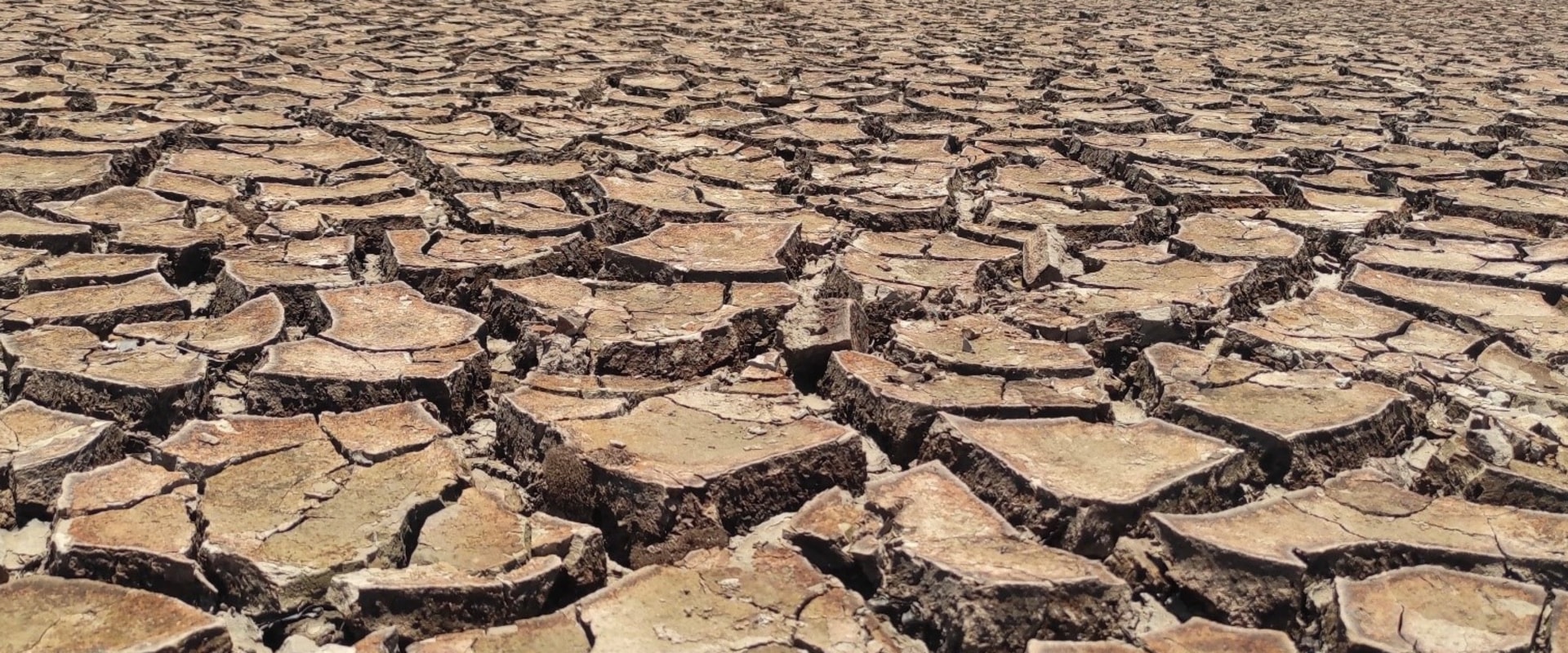
Climate change is reshaping the landscape of agriculture, presenting both challenges and opportunities for farmers and agricultural practitioners.As global temperatures rise, the effects of climate change on agriculture become increasingly evident, influencing everything from crop yields to soil health.One of the most significant impacts of climate change is the alteration of precipitation patterns. Regions that once enjoyed predictable rainfall may experience prolonged droughts or intense flooding, both of which can devastate crops. For instance, a study by the Intergovernmental Panel on Climate Change (IPCC) indicates that many areas will see a decrease in water availability, leading to reduced agricultural productivity.
Extreme weather events
, such as hurricanes and heatwaves, are becoming more frequent and severe due to climate change. These events can destroy crops in a matter of hours, leading to significant economic losses for farmers.Additionally, the stress from these conditions can weaken plants, making them more susceptible to pests and diseases.Furthermore, rising temperatures can directly affect crop yield. Many staple crops, including wheat and corn, have optimal growing conditions that are sensitive to temperature changes. As temperatures exceed these thresholds, yields may decline sharply. This not only threatens food security but also challenges the sustainability of agricultural practices.To adapt to these changes, farmers are increasingly turning to agricultural sustainability practices.
This includes implementing crop rotation, using drought-resistant varieties, and adopting integrated pest management strategies. By focusing on sustainable methods, farmers can mitigate some of the adverse effects of climate change while promoting healthier ecosystems.In summary, understanding the broader impacts of climate change on agriculture is essential for developing effective Plant Health Care (PHC) practices. By recognizing how temperature fluctuations, altered precipitation patterns, and extreme weather events affect crop health and yield, stakeholders can better prepare for a changing agricultural landscape.
How Climate Change Affects Plant Health
Climate change is reshaping the landscape of Plant Health Care (PHC) practices by introducing a myriad of challenges that directly affect plant health. As temperatures rise and weather patterns become more erratic, plants are increasingly exposed to stress factors that can compromise their vitality.Increased Susceptibility to Pests and Diseases
- Warmer temperatures create favorable conditions for many pests and pathogens, leading to an uptick in infestations and outbreaks.
- For instance, insects such as aphids and spider mites thrive in warmer climates, which can result in significant damage to crops.
- Additionally, diseases caused by fungi and bacteria may spread more rapidly under changing climatic conditions, further threatening plant health.
- Climate change can disrupt the natural growth cycles of plants.
For example, earlier springs may lead to premature flowering, which can affect pollination and fruit set.
- Moreover, altered precipitation patterns can lead to either drought or flooding, both of which stress plants and hinder their growth.
- Plants are subjected to various stress factors due to climate change, including heat stress, water scarcity, and nutrient deficiencies.
- These stressors not only weaken plants but also make them more vulnerable to diseases and pests, creating a vicious cycle that can be difficult to manage.
Adapting PHC Practices to Climate Change
As climate change continues to alter environmental conditions, adapting Plant Health Care (PHC) practices becomes essential for maintaining healthy crops and sustainable agriculture. Farmers and agricultural professionals must implement innovative strategies that not only address the immediate challenges posed by climate change but also promote long-term resilience.One effective approach is the integration of sustainable PHC practices that focus on enhancing soil health and biodiversity.This can be achieved through:
- Crop rotation: Alternating different crops in a specific sequence can improve soil fertility, disrupt pest cycles, and reduce disease prevalence.
- Cover cropping: Planting cover crops during off-seasons helps prevent soil erosion, enhances organic matter, and improves moisture retention.
- Organic amendments: Utilizing compost and other organic materials can boost soil health, providing essential nutrients while reducing reliance on synthetic fertilizers.
- Data-driven decision making: Utilizing sensors and satellite imagery to monitor plant health and soil conditions enables targeted interventions.
- Efficient resource management: Optimizing water usage and nutrient application reduces waste and minimizes environmental impact.
By focusing on resilience and sustainability, agricultural stakeholders can ensure the health of their crops while mitigating the adverse effects of a changing climate.
Case Studies: Successful Adaptations in PHC
As climate change continues to reshape agricultural landscapes, various regions and organizations have implemented innovative Plant Health Care (PHC) practices to adapt to these challenges. Here are some notable case studies that illustrate successful adaptations in PHC.1.Integrated Pest Management in California
In California, the California Department of Food and Agriculture has adopted an Integrated Pest Management (IPM) approach that combines biological control, habitat manipulation, and resistant plant varieties. This strategy has proven effective in managing pests while minimizing chemical inputs, particularly in vineyards affected by increased temperatures and altered pest life cycles due to climate change.2.Drought-Resistant Crops in the Midwest
The Midwest Sustainable Agriculture Research and Education (SARE) program has focused on developing and promoting drought-resistant crop varieties. Farmers participating in this initiative have reported improved yields even during periods of low rainfall, showcasing how PHC can be tailored to enhance resilience against climate-induced water scarcity.3.Agroforestry Practices in Brazil
In Brazil, agroforestry systems have been implemented to combat soil erosion and improve biodiversity.By integrating trees with crops, farmers have not only enhanced soil health but also created microclimates that protect plants from extreme weather events. This holistic approach exemplifies a successful adaptation of PHC practices that align with environmental sustainability.
4.Urban PHC Initiatives in New York City
The New York City Department of Parks and Recreation has launched urban greening initiatives that incorporate PHC principles to manage tree health amidst rising temperatures and increased storm intensity. These initiatives include soil health assessments and the use of native plant species, which are better adapted to local conditions.These case studies highlight the importance of flexibility and innovation in Plant Health Care. By learning from these real-world examples, other regions can develop tailored strategies that not only address the immediate impacts of climate change but also promote long-term sustainability in agricultural practices.Future Trends in PHC Amid Climate Change
As climate change continues to reshape our environment, the future of Plant Health Care (PHC) practices is poised for significant transformation.The increasing frequency of extreme weather events, shifting pest populations, and changing soil conditions necessitate innovative approaches to ensure plant health and agricultural productivity.One of the most promising trends in PHC is the integration of precision agriculture. This approach utilizes advanced technologies such as drones, satellite imagery, and IoT sensors to monitor plant health in real-time. By collecting data on soil moisture, nutrient levels, and pest activity, farmers can make informed decisions that enhance crop resilience against climate-related stressors.Another emerging trend is the adoption of sustainable practices that prioritize ecological balance. Techniques such as cover cropping, crop rotation, and organic amendments not only improve soil health but also increase biodiversity.
These practices can mitigate the impacts of climate change by enhancing the soil's ability to retain moisture and nutrients, ultimately leading to healthier plants.
Innovations in biotechnology
are also set to play a crucial role in the future of PHC. Genetic engineering and CRISPR technology offer the potential to develop crop varieties that are more resilient to drought, heat, and pests. By creating plants that can thrive in changing climates, these innovations could significantly reduce reliance on chemical inputs and improve overall sustainability.Furthermore, the rise of integrated pest management (IPM) strategies will likely gain traction as a response to climate change. By combining biological control methods with cultural practices and targeted chemical applications, IPM can effectively manage pest populations while minimizing environmental impact.In conclusion, the future of Plant Health Care amid climate change is characterized by a shift towards technology-driven solutions and sustainable practices.
As these trends continue to evolve, they will not only enhance plant resilience but also contribute to a more sustainable agricultural system capable of withstanding the challenges posed by a changing climate.
FAQs about Climate Change and Plant Health Care
As climate change continues to reshape our environment, many individuals have questions about its effects on Plant Health Care (PHC) practices. Below are some frequently asked questions that address these concerns.- How does climate change affect plant health?
Climate change can lead to increased temperatures, altered precipitation patterns, and more frequent extreme weather events. These changes can stress plants, making them more susceptible to diseases and pests. Additionally, shifts in climate can disrupt the natural balance of ecosystems, affecting plant growth and health. - What are the common signs of climate-related stress in plants?
Signs of stress may include wilting, yellowing leaves, stunted growth, and increased pest infestations.If you notice these symptoms, it may indicate that your plants are struggling due to changing environmental conditions.
- Can PHC practices mitigate the effects of climate change?
Yes, implementing effective PHC practices can help mitigate the impacts of climate change. Techniques such as soil management, proper irrigation, and integrated pest management can enhance plant resilience and promote healthier growth despite environmental stresses. - What role do native plants play in PHC amidst climate change?
Native plants are often more resilient to local climate conditions and pests. Incorporating them into your landscape can improve biodiversity and reduce the need for chemical interventions, making them a valuable component of sustainable PHC. - How can I adapt my PHC strategies to changing climates?
Adapting your PHC strategies may involve selecting more resilient plant varieties, adjusting watering schedules based on changing rainfall patterns, and monitoring for new pests or diseases that may emerge due to climate shifts.
Conclusion: The Path Forward for Plant Health Care in a Changing Climate
As we conclude our exploration of the impacts of climate change on Plant Health Care (PHC) practices, it is evident that the challenges posed by a changing climate are significant yet manageable with proactive strategies. The increasing variability in weather patterns, rising temperatures, and shifting pest dynamics necessitate a reevaluation of traditional PHC methods.To ensure sustainable agriculture, it is crucial for practitioners to adopt adaptive management strategies that incorporate the latest scientific research and technological advancements.This includes:
- Integrating Climate Data: Utilizing climate forecasts and historical data can help farmers anticipate changes and adjust their practices accordingly.
- Diverse Crop Selection: Planting a variety of crops can enhance resilience against pests and diseases that thrive in warmer conditions.
- Soil Health Management: Focusing on soil health through organic amendments and cover cropping can improve water retention and nutrient availability, making plants more resilient to stress.
- Pest Monitoring and Management: Implementing integrated pest management (IPM) strategies that are responsive to climate-induced pest shifts will be essential for maintaining plant health.