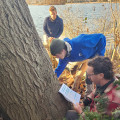
Plant Health Care (PHC) is a comprehensive approach to managing the health and vitality of plants, focusing on prevention, monitoring, and intervention strategies. This methodology emphasizes the importance of understanding the complex interactions between plants, their environment, and potential stressors such as pests, diseases, and nutrient deficiencies. By adopting a holistic view of plant health, PHC aims to enhance not only the aesthetic appeal of landscapes but also the overall productivity of agricultural systems. The significance of Plant Health Care cannot be overstated. In an era where environmental sustainability and resource management are paramount, PHC provides a framework for maintaining healthy plants while minimizing chemical inputs.
This approach encourages the use of integrated pest management (IPM) techniques, soil health assessments, and regular monitoring to ensure that plants receive the care they need to thrive. By prioritizing plant health through PHC practices, we can foster resilient ecosystems that support biodiversity and contribute to food security. Understanding the definition of Plant Health Care is essential for anyone involved in horticulture or agriculture. It encompasses a range of practices designed to promote plant health from the ground up. This includes soil testing, proper irrigation techniques, and timely interventions when issues arise.
As we delve deeper into the importance of regular monitoring and assessment within PHC, it becomes clear that these practices are not merely beneficial but essential for sustaining healthy plants in our ever-changing environment.
The Importance of Regular Monitoring in PHC
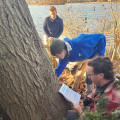
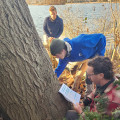
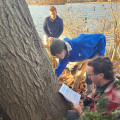
Regular monitoring is a cornerstone of effective Plant Health Care (PHC), serving as a proactive approach to maintaining plant vitality and productivity. By consistently assessing plant health, growers can identify potential issues before they escalate into significant problems. One of the primary benefits of regular monitoring is the early detection of issues. This includes recognizing signs of pest infestations, diseases, or nutrient deficiencies. For instance, a slight discoloration in leaves may indicate a nutrient imbalance, which can be corrected promptly to prevent further damage.Early intervention not only saves plants but also reduces the need for extensive treatments that can be costly and environmentally harmful. Moreover, regular assessments contribute to improved plant health. By understanding the specific needs of plants through ongoing observation, growers can tailor their care strategies effectively. This personalized approach ensures that plants receive the right amount of water, nutrients, and protection from pests, leading to stronger and more resilient growth. In addition to enhancing plant health, regular monitoring also leads to enhanced productivity. Healthy plants are more productive, yielding higher quantities and better quality produce.
For commercial growers, this translates into increased profitability and sustainability. Furthermore, by keeping track of plant performance over time, growers can make informed decisions about crop rotation and other management practices that optimize yield. In conclusion, the importance of regular monitoring in Plant Health Care (PHC) cannot be overstated. It not only facilitates early detection of potential threats but also fosters improved plant health and productivity. By investing time in consistent assessments, growers can ensure their plants thrive in a healthy environment.
Key Assessment Techniques in PHC
Effective Plant Health Care (PHC) relies heavily on a variety of assessment techniques that help in identifying plant health issues early and accurately.These techniques not only aid in diagnosing problems but also guide the implementation of appropriate management strategies.
Visual Inspections
One of the most fundamental methods for assessing plant health is through visual inspections. This technique involves closely examining plants for signs of stress, disease, or pest infestations. Key indicators to look for include:- Leaf discoloration: Yellowing or browning can indicate nutrient deficiencies or disease.
- Wilting: This may suggest issues with water availability or root health.
- Physical damage: Signs of chewing or holes in leaves often point to pest activity.
Soil Testing
Soil testing is another critical assessment tool in PHC. By analyzing soil samples, practitioners can determine nutrient levels, pH balance, and the presence of harmful pathogens.Regular soil tests help in:
- Identifying nutrient deficiencies that could affect plant growth.
- Understanding soil structure and drainage capabilities.
- Detecting contaminants that may harm plant health.
Pest Monitoring
Pest monitoring involves tracking pest populations and their impact on plants. This can be achieved through:- Sticky traps: These are effective for capturing flying insects and assessing their population levels.
- Regular scouting: Walking through the garden or field to observe pest activity and damage.
- Using pheromone traps: These attract specific pests, allowing for targeted monitoring.
Integrating Technology in Monitoring and Assessment
In the realm of Plant Health Care (PHC), integrating technology into monitoring and assessment processes has revolutionized how we approach plant health management. The advent of digital tools has enabled farmers and agronomists to gather precise data, leading to informed decision-making that enhances crop yield and sustainability.Drones
have emerged as a powerful tool in PHC, providing aerial imagery that allows for the assessment of large areas in a fraction of the time it would take using traditional methods.These unmanned aerial vehicles can capture high-resolution images that reveal plant health issues, such as nutrient deficiencies or pest infestations, which may not be visible from the ground.Another significant advancement is the use of sensors. Soil moisture sensors, for instance, provide real-time data on soil conditions, enabling farmers to optimize irrigation practices. This not only conserves water but also ensures that plants receive the right amount of moisture at critical growth stages.Moreover, software platforms designed for precision agriculture aggregate data from various sources, including weather forecasts and soil health reports. These platforms analyze trends and provide actionable insights, allowing farmers to make timely interventions that can prevent crop loss.
- Real-time Monitoring: Technology facilitates continuous monitoring of plant health, enabling quick responses to emerging issues.
- Data-Driven Decisions: Access to accurate data helps in making informed decisions regarding fertilization, pest control, and irrigation.
- Cost Efficiency: By identifying problems early, technology reduces the need for extensive treatments and minimizes resource waste.
As these tools continue to evolve, they will undoubtedly play a crucial role in enhancing plant health management practices worldwide.
Case Studies: Successful Monitoring and Assessment in PHC
Regular monitoring and assessment in Plant Health Care (PHC) can lead to remarkable success stories that not only enhance plant health but also improve overall ecosystem resilience. Here are a few case studies that exemplify the importance of these practices:Case Study 1: Urban Tree Canopy Assessment
A city in the Midwest implemented a comprehensive monitoring program for its urban tree canopy. By utilizing GIS technology and regular health assessments, the city was able to identify trees at risk of disease and pest infestations. This proactive approach allowed for timely interventions, such as targeted pruning and pest management, which resulted in a 30% increase in tree vitality over three years.Case Study 2: Agricultural Crop Monitoring
A large-scale organic farm adopted a rigorous monitoring system that included soil health assessments and crop performance tracking.By regularly evaluating nutrient levels and pest populations, the farm was able to adjust its management practices accordingly. This led to a 25% increase in yield and a significant reduction in pesticide use, showcasing how effective monitoring can lead to sustainable practices.
Case Study 3: Landscape Management in Public Parks
A public park system implemented a monitoring program focused on plant diversity and health. By assessing plant species regularly, park managers could identify invasive species early and take action before they spread. This initiative not only preserved native plant populations but also enhanced the park's biodiversity, attracting more wildlife and improving visitor experiences.These case studies highlight that regular monitoring and assessment in PHC are not just beneficial but essential for effective plant management.They demonstrate how data-driven decisions can lead to improved plant health outcomes, increased biodiversity, and sustainable practices across various landscapes.
Challenges in Monitoring and Assessment of Plant Health
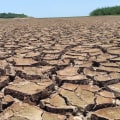
Monitoring and assessment in Plant Health Care (PHC) are crucial for maintaining the health of plants and ecosystems. However, several challenges can hinder effective monitoring and assessment processes. One significant challenge is resource limitations. Many organizations involved in PHC may lack the necessary funding, personnel, or technology to conduct thorough assessments. This can lead to inadequate data collection and analysis, ultimately affecting the quality of care provided to plants. Another obstacle is environmental variability.Factors such as climate change, soil conditions, and pest populations can fluctuate significantly over time. These variations make it difficult to establish consistent monitoring protocols and can lead to misleading conclusions if not properly accounted for.
- Inconsistent Data: Variability in environmental conditions can result in inconsistent data, making it challenging to identify trends or issues accurately.
- Time Constraints: The need for timely assessments often clashes with the availability of resources, leading to rushed evaluations that may overlook critical factors.
- Lack of Standardization: Different methodologies used by various organizations can create discrepancies in data interpretation, complicating collaborative efforts in PHC.
By investing in resources, standardizing methodologies, and adapting to environmental changes, stakeholders can enhance their ability to maintain plant health effectively.
Future Trends in Monitoring and Assessment for PHC
As we look to the future of Plant Health Care (PHC), the landscape of monitoring and assessment is poised for significant transformation. Emerging technologies and innovative practices are set to enhance the efficiency and effectiveness of plant health management.Integration of Technology
One of the most promising trends is the integration of advanced technologies such as artificial intelligence (AI) and machine learning. These technologies can analyze vast amounts of data from various sources, enabling more accurate predictions about plant health issues. For instance, AI algorithms can process images from drones or satellites to identify early signs of disease or pest infestations, allowing for timely interventions.Remote Sensing and IoT
The use of remote sensing and the Internet of Things (IoT) is also gaining traction in PHC monitoring.Sensors placed in fields can continuously collect data on soil moisture, temperature, and nutrient levels. This real-time data can be transmitted to cloud-based platforms where it can be analyzed, providing growers with actionable insights that help optimize their management practices.
Data-Driven Decision Making
The future of PHC will increasingly rely on data-driven decision making. By harnessing big data analytics, practitioners can make informed choices based on historical trends and predictive models. This shift not only enhances the precision of interventions but also promotes sustainable practices by minimizing resource waste.Collaboration and Knowledge Sharing
Furthermore, collaboration among stakeholders—such as researchers, agronomists, and farmers—will be crucial.Platforms that facilitate knowledge sharing will enable the dissemination of best practices and innovations in monitoring techniques. This collective approach will foster a more resilient agricultural ecosystem.In conclusion, the future trends in monitoring and assessment for Plant Health Care (PHC) are set to revolutionize how we approach plant health management. By embracing technological advancements and fostering collaboration, we can ensure healthier plants and more sustainable agricultural practices.
FAQs about Monitoring and Assessment in PHC
Monitoring and assessment are crucial components of Plant Health Care (PHC), and many people have questions about their significance. Here are some frequently asked questions that can help clarify these concepts:- Why is regular monitoring important in PHC?
Regular monitoring allows for the early detection of potential issues, such as pest infestations or nutrient deficiencies.By identifying these problems early, you can implement corrective measures before they escalate, ensuring the health and vitality of your plants.
- What methods are used for plant health assessment?
Common methods include visual inspections, soil testing, and the use of diagnostic tools like plant tissue analysis. These techniques help assess the overall health of plants and identify specific needs. - How often should monitoring be conducted?
The frequency of monitoring can vary based on the type of plants and environmental conditions. However, a general guideline is to conduct assessments at least once a month during the growing season to ensure optimal plant health. - What are the benefits of using technology in monitoring?
Technological advancements, such as remote sensing and data analytics, enhance the accuracy and efficiency of monitoring. These tools can provide real-time data, allowing for timely interventions and better decision-making. - Can monitoring help in sustainable practices?
Absolutely! Regular monitoring supports sustainable practices by minimizing chemical use and promoting natural pest control methods.This not only benefits plant health but also contributes to environmental conservation.
Conclusion: The Essential Role of Regular Monitoring and Assessment in PHC
In conclusion, the significance of regular monitoring and assessment in Plant Health Care (PHC) cannot be overstated. As we have explored throughout this article, consistent evaluation of plant health is crucial for identifying potential issues before they escalate into serious problems. This proactive approach not only enhances the vitality of plants but also contributes to sustainable agricultural practices.Regular monitoring allows for:- Early Detection: Identifying pests, diseases, and nutrient deficiencies at an early stage can significantly reduce the need for extensive treatments and interventions.
- Informed Decision-Making: Data gathered from assessments provides valuable insights that help in making informed decisions regarding pest management, fertilization, and irrigation practices.
- Resource Optimization: By understanding the specific needs of plants through regular assessments, resources such as water and fertilizers can be used more efficiently, leading to cost savings and environmental benefits.
Tools such as soil sensors, drones, and data analytics enable more precise assessments, allowing for tailored care that meets the unique requirements of each plant or crop.Ultimately, the commitment to regular monitoring and assessment fosters a healthier ecosystem. It empowers growers to maintain robust plant health while minimizing environmental impact. As we move forward in an era where sustainability is paramount, prioritizing these practices in Plant Health Care will be essential for achieving long-term agricultural success.