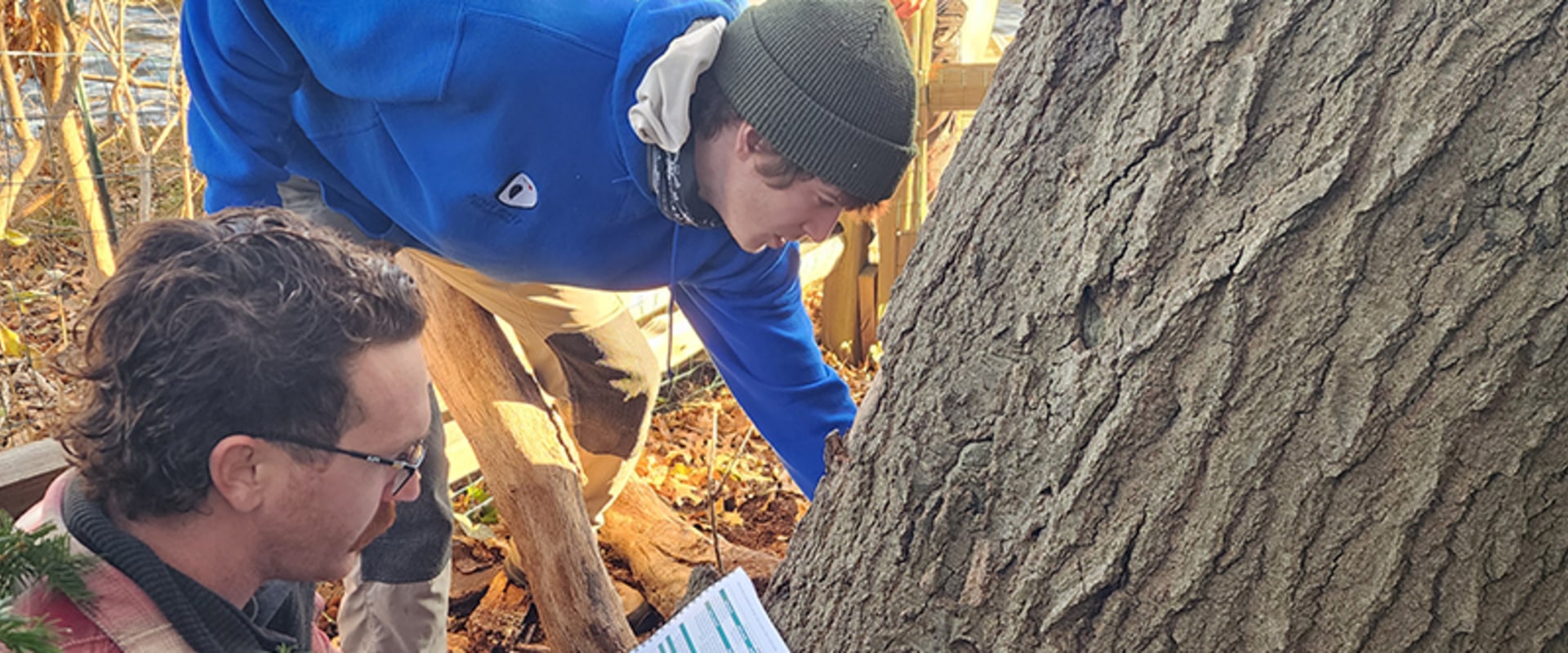
Plant Health Care (PHC) is an essential approach that focuses on the health and vitality of plants within our communities. It encompasses a range of practices aimed at promoting plant growth, preventing diseases, and managing pests in a sustainable manner. By understanding the principles of PHC, we can appreciate its critical role in enhancing not only the health of individual plants but also the overall well-being of the ecosystems they inhabit. The definition of Plant Health Care extends beyond mere plant maintenance; it involves a holistic view that considers environmental factors, soil health, and the interrelationships between various organisms. This comprehensive strategy is vital for ensuring that plants can thrive in their natural habitats and urban settings alike.
As communities increasingly recognize the importance of green spaces, the significance of PHC becomes even more pronounced. Moreover, the importance of PHC cannot be overstated when it comes to community health. Healthy plants contribute to cleaner air, improved mental well-being, and enhanced biodiversity. They provide essential services such as shade, habitat for wildlife, and even food sources. By investing in PHC practices, communities can foster environments that not only support plant life but also promote healthier lifestyles for their residents.
In this way, PHC serves as a cornerstone for sustainable community development and environmental stewardship.
The Benefits of PHC for Community Health
Plant Health Care (PHC) plays a crucial role in enhancing the overall health and well-being of communities. By focusing on the health of plants, PHC contributes to various environmental and public health benefits that are essential for sustainable living.One of the primary benefits of PHC is its ability to improve air quality. Healthy plants act as natural air filters, absorbing carbon dioxide and releasing oxygen. This process not only enhances the air we breathe but also helps in reducing pollutants.Communities with abundant greenery often experience lower levels of smog and particulate matter, leading to healthier residents.Additionally, PHC significantly contributes to reducing pest populations. By promoting plant health through integrated pest management strategies, communities can minimize the reliance on chemical pesticides. This reduction not only protects beneficial insects but also decreases the risk of pesticide exposure for humans and pets, fostering a safer environment.Another vital aspect of PHC is its role in enhancing biodiversity. Diverse plant life supports a variety of wildlife, creating balanced ecosystems that are resilient to environmental changes.
Communities that embrace PHC practices often see an increase in native species, which can lead to improved pollination and natural pest control.Moreover, the aesthetic value of well-maintained landscapes cannot be overlooked. Green spaces foster community interaction and promote mental well-being. Parks and gardens serve as communal hubs where residents can engage in recreational activities, thereby strengthening social ties and improving overall community health.In summary, the benefits of Plant Health Care extend far beyond individual plants; they encompass broader community health advantages such as improved air quality, reduced pest populations, enhanced biodiversity, and increased social cohesion. By investing in PHC practices, communities can create healthier environments that support both human and ecological well-being.
PHC and Environmental Sustainability
Plant Health Care (PHC) plays a crucial role in promoting environmental sustainability, which is essential for the overall health and well-being of communities.By focusing on the health of plants, PHC practices help maintain a balanced ecosystem that supports biodiversity and reduces the need for harmful chemical interventions.One of the primary ways PHC contributes to sustainability is through the implementation of sustainable practices. These practices include:
- Integrated Pest Management (IPM): This approach minimizes the use of pesticides by combining biological control, habitat manipulation, and cultural practices. By reducing chemical inputs, IPM protects non-target species and promotes a healthier environment.
- Soil Health Management: PHC emphasizes the importance of healthy soil as a foundation for plant growth. Practices such as composting, cover cropping, and reduced tillage enhance soil structure and fertility, leading to more resilient ecosystems.
- Water Conservation: Efficient irrigation techniques and rainwater harvesting are integral to PHC.
These methods not only conserve water but also reduce runoff and erosion, protecting local waterways from pollution.
- Enhancing Air Quality: Healthy plants absorb carbon dioxide and release oxygen, improving air quality for residents.
- Supporting Wildlife: A diverse plant community provides habitat and food for various species, promoting biodiversity that is vital for ecosystem stability.
- Reducing Urban Heat Islands: Green spaces created through effective PHC practices can mitigate heat in urban areas, leading to cooler temperatures and improved comfort for community members.
Economic Impacts of Plant Health Care on Communities
Implementing Plant Health Care (PHC) strategies not only enhances the ecological balance of communities but also brings significant economic benefits. By focusing on the health of plants, communities can experience a ripple effect that positively impacts local economies.Job Creation through PHC
- The adoption of PHC practices often leads to the creation of new jobs in various sectors, including landscaping, horticulture, and environmental consulting.
- As demand for skilled professionals in plant health increases, educational institutions may also expand their programs, further contributing to job growth.
- Local businesses that specialize in plant care products and services can thrive, leading to additional employment opportunities.
Cost Savings with PHC
- Investing in PHC can lead to substantial cost savings for local governments. Healthy plants require less frequent treatment for pests and diseases, reducing the need for expensive interventions.
- Communities that prioritize plant health often see lower maintenance costs for public green spaces, as well-maintained plants are more resilient and require less care.
- Residents can also benefit from reduced utility bills; healthy trees provide shade, lowering cooling costs during hot months.
By fostering job creation and enabling cost savings for both local governments and residents, PHC plays a crucial role in enhancing the overall economic vitality of communities. Investing in plant health is not just an environmental necessity; it is a strategic economic decision that can yield long-term benefits.
Community Engagement and Education in PHC
Community engagement and education play a pivotal role in the success of Plant Health Care (PHC) initiatives. By fostering a sense of ownership and responsibility among residents, communities can significantly enhance their local environments and promote sustainable practices.Community involvement
in PHC begins with awareness. Local outreach programs are essential for educating residents about the importance of plant health and the benefits of maintaining healthy ecosystems.These programs often include workshops, seminars, and hands-on demonstrations that empower individuals to take action in their own gardens and public spaces.
- Workshops: Interactive sessions where community members learn about pest management, soil health, and native plant selection.
- School Programs: Educational initiatives in schools that teach children about plant care and environmental stewardship.
- Volunteer Days: Organized events where residents can participate in planting trees, maintaining community gardens, or restoring local habitats.
Education on plant health care
should also address the specific challenges faced by the community. For instance, urban areas may struggle with pollution and invasive species, while rural communities might focus on agricultural practices.Tailoring educational content to meet these unique needs ensures that residents are equipped with relevant skills and knowledge.In conclusion, by prioritizing community engagement and education in PHC efforts, we can cultivate a culture of sustainability that benefits both people and the environment. When residents are informed and involved, they become stewards of their surroundings, leading to healthier communities overall.
Challenges and Solutions in Implementing PHC
Implementing Plant Health Care (PHC) strategies in communities can be a complex endeavor, often hindered by various challenges. Understanding these barriers is crucial for developing effective solutions that promote the health and well-being of both plants and the communities that rely on them.- Limited Awareness and Education: One of the primary challenges is the lack of awareness about PHC practices among community members. Many individuals may not understand the benefits of PHC or how to implement it effectively.
- Resource Constraints: Communities often face financial limitations that restrict their ability to invest in necessary tools, training, and resources for PHC implementation.
- Resistance to Change: Traditional practices may be deeply ingrained in some communities, leading to resistance against adopting new PHC methods.
This cultural inertia can slow down progress.
- Pest Resistance: The emergence of resistant pests can complicate PHC efforts, making it difficult to manage plant health effectively without resorting to harmful chemicals.
- Education and Outreach Programs: Developing community workshops and educational materials can help raise awareness about the importance of PHC. Engaging local schools and organizations can also foster a culture of plant health awareness.
- Financial Support and Grants: Seeking funding from government programs or non-profit organizations can provide communities with the necessary resources to implement PHC strategies effectively.
- Cultural Sensitivity Training: Providing training that respects traditional practices while introducing PHC concepts can help ease resistance to change. Collaborating with local leaders can also facilitate acceptance.
- Integrated Pest Management (IPM): Promoting IPM strategies can help manage pest resistance by using a combination of biological, cultural, and mechanical control methods, reducing reliance on chemical treatments.
Case Studies: Successful PHC Initiatives in Communities
Across the United States, numerous communities have successfully implemented Plant Health Care (PHC) initiatives that not only enhance the health of local ecosystems but also improve the overall well-being of residents. These case studies serve as powerful examples of how effective PHC programs can lead to sustainable practices and community engagement.1.Urban Greening in Philadelphia
- In Philadelphia, a collaborative effort between local government and non-profit organizations has led to the establishment of urban greening projects that utilize PHC principles.
By focusing on soil health and plant selection, these initiatives have revitalized parks and green spaces.
- The result has been a significant increase in biodiversity, which in turn has improved air quality and provided residents with accessible recreational areas.
2.Community Gardens in Los Angeles
- Los Angeles has seen a surge in community gardens that incorporate PHC strategies to promote sustainable gardening practices. These gardens not only provide fresh produce but also educate community members about pest management and soil health.
- As a result, participants report improved mental health and social connections, showcasing the holistic benefits of integrating PHC into community initiatives.
3.Tree Canopy Restoration in New York City
- The NYC Department of Parks & Recreation has launched a tree canopy restoration program that employs PHC techniques to ensure the longevity and health of urban trees. This initiative focuses on proper planting, maintenance, and disease management.
- The program has led to increased shade, reduced urban heat, and enhanced aesthetic value in neighborhoods, contributing to improved community health outcomes.
Future Trends in Plant Health Care and Community Well-Being
As we look to the future, Plant Health Care (PHC) is poised to play an increasingly vital role in enhancing community health and well-being.Several emerging trends and innovations are shaping the landscape of PHC, making it more effective and accessible.
Integration of Technology
One of the most significant trends is the integration of technology into plant health management. Innovations such as drone technology and remote sensing allow for real-time monitoring of plant health, enabling quicker responses to potential threats. This proactive approach not only protects local ecosystems but also ensures that communities can enjoy the benefits of healthy plants, such as improved air quality and enhanced aesthetics.Sustainable Practices
The shift towards sustainable practices in PHC is another trend that will contribute to community well-being. By adopting organic treatments and integrated pest management, communities can reduce their reliance on harmful chemicals, promoting a healthier environment.This not only benefits human health but also supports biodiversity, which is crucial for resilient ecosystems.
Community Engagement and Education
Future PHC initiatives are likely to emphasize community engagement and education. Programs that involve local residents in plant care activities foster a sense of ownership and responsibility towards their environment. Workshops and educational campaigns can empower individuals with knowledge about plant health, encouraging them to adopt best practices in their own gardens and public spaces.Collaboration Across Sectors
The future of PHC will also see increased collaboration between various sectors, including agriculture, public health, and urban planning. By working together, these sectors can create comprehensive strategies that address both plant health and community wellness.For instance, urban planners can incorporate green spaces that not only enhance aesthetic appeal but also improve mental health outcomes for residents.In conclusion, the future of Plant Health Care holds great promise for enhancing community health and well-being. Through technological advancements, sustainable practices, community involvement, and cross-sector collaboration, PHC can significantly contribute to healthier environments and happier communities.
Conclusion: The Integral Role of PHC in Community Health
In summary, Plant Health Care (PHC) serves as a cornerstone for enhancing the overall health and well-being of communities. By focusing on the health of plants, PHC not only promotes vibrant landscapes but also contributes to a healthier environment for all community members.One of the most significant benefits of PHC is its role in improving air quality. Healthy plants absorb carbon dioxide and release oxygen, which is essential for human life.Furthermore, they filter pollutants from the air, creating a cleaner atmosphere that can lead to reduced respiratory issues among residents.Additionally, PHC fosters biodiversity within urban and rural settings. A diverse plant population supports various wildlife species, which in turn contributes to ecological balance. This biodiversity is crucial for pollination, pest control, and soil health, all of which are vital for sustainable food production.Moreover, the aesthetic value of well-maintained plants cannot be overlooked. Green spaces enhance community pride and encourage social interaction among residents.
Parks and gardens provide recreational opportunities that promote physical activity and mental well-being, further solidifying the connection between plant health and community health.In conclusion, the importance of Plant Health Care extends beyond mere aesthetics; it is integral to fostering a thriving community. By investing in PHC practices, communities can ensure a healthier environment, promote biodiversity, and enhance the quality of life for all residents. As we move forward, prioritizing plant health will be essential in building resilient communities that can adapt to environmental challenges.