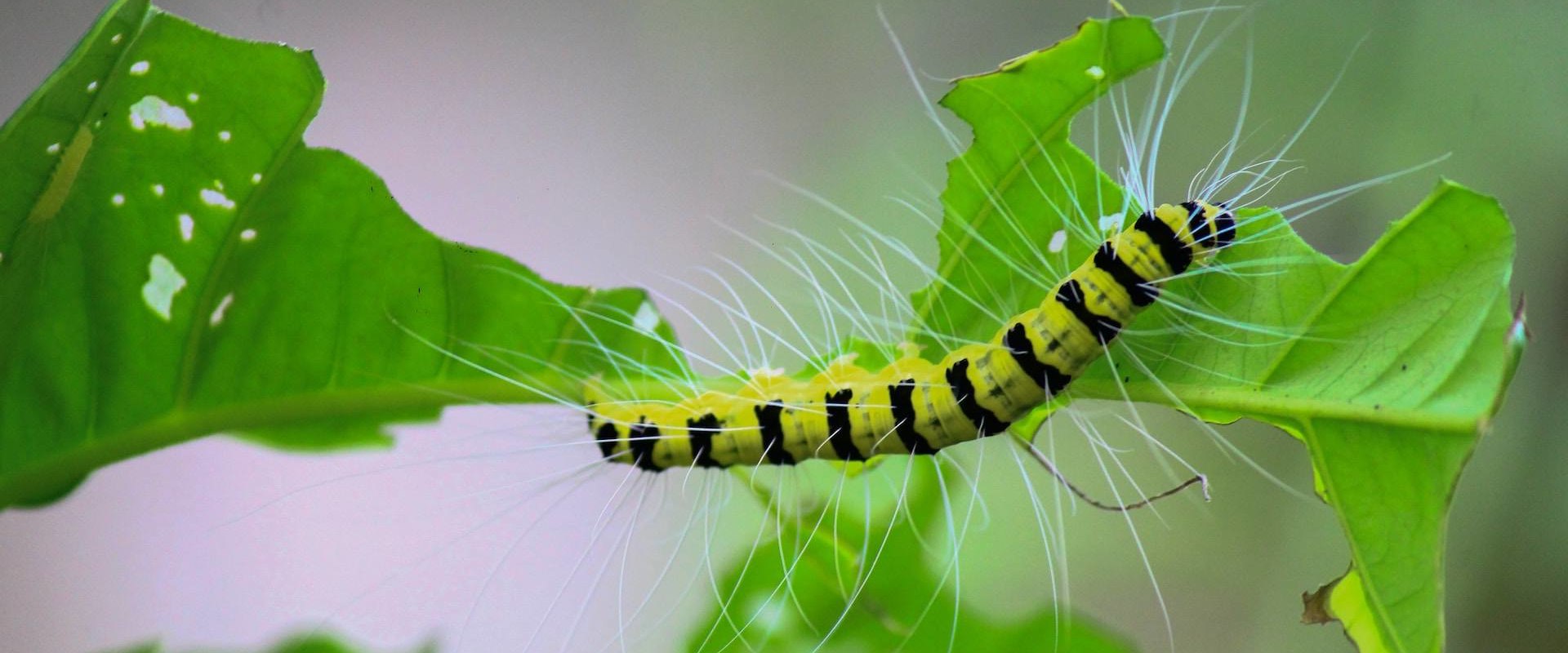
Plant Health Care (PHC) is an integrated approach to managing the health of plants, focusing on prevention and proactive measures rather than reactive treatments. This holistic strategy encompasses a variety of practices aimed at enhancing plant vitality, improving soil health, and fostering a balanced ecosystem. By understanding the intricate relationships between plants, pests, diseases, and their environment, PHC provides a framework for sustainable agriculture and horticulture. The importance of PHC cannot be overstated, especially in today’s agricultural landscape where pest and disease outbreaks can have devastating effects on crop yields and quality. By implementing PHC principles, growers can create resilient plant systems that are better equipped to withstand environmental stressors and biological threats.
This not only leads to healthier plants but also reduces the reliance on chemical pesticides and fertilizers, promoting a more sustainable approach to farming. At its core, Plant Health Care emphasizes the significance of understanding plant biology and ecology. It encourages practices such as soil testing, proper irrigation techniques, and the use of organic amendments to enhance soil fertility. Additionally, PHC advocates for regular monitoring of plant health to identify potential issues before they escalate into serious problems. This proactive stance is essential for effective pest and disease management, ultimately leading to improved productivity and environmental stewardship.
The Importance of Preventive Measures in PHC
In the realm of Plant Health Care (PHC), the significance of preventive measures cannot be overstated.By focusing on proactive strategies, we can effectively mitigate the risks associated with pest and disease outbreaks. This approach not only safeguards plant health but also enhances overall ecosystem resilience.Preventive measures in PHC encompass a variety of strategies aimed at maintaining plant vigor and reducing susceptibility to pests and diseases. Some key strategies include:
- Regular Monitoring: Frequent inspections of plants allow for early detection of potential threats, enabling timely intervention.
- Soil Health Management: Healthy soil promotes robust plant growth, making them less vulnerable to infestations. Practices such as crop rotation, cover cropping, and organic amendments can significantly improve soil quality.
- Proper Plant Selection: Choosing disease-resistant varieties and native plants can reduce the likelihood of pest problems while supporting local biodiversity.
- Integrated Pest Management (IPM): This holistic approach combines biological, cultural, and mechanical control methods to manage pests sustainably.
By implementing these strategies, growers can:
- Reduce Chemical Use: Preventive measures often lead to fewer pesticide applications, promoting a healthier environment.
- Enhance Crop Yields: Healthy plants are more productive, leading to better harvests and increased profitability.
- Lower Management Costs: Addressing issues before they escalate can save time and resources in the long run.
Key Components of Plant Health Care
Effective Plant Health Care (PHC) is built on several key components that work synergistically to prevent and manage pest and disease outbreaks. Understanding these components is essential for maintaining healthy plants and ensuring sustainable agricultural practices.Soil Health
Soil health is the foundation of any successful PHC program. Healthy soil promotes robust plant growth by providing essential nutrients, improving water retention, and fostering beneficial microbial activity.Practices such as crop rotation, cover cropping, and organic amendments can enhance soil structure and fertility, reducing the likelihood of pest infestations and disease development. Regular soil testing helps identify nutrient deficiencies and pH imbalances, allowing for targeted interventions.
Plant Nutrition
Proper plant nutrition is crucial for strengthening plant defenses against pests and diseases. Nutrient-rich plants are more resilient and can better withstand stressors. Implementing a balanced fertilization program that includes macronutrients (nitrogen, phosphorus, potassium) and micronutrients (iron, zinc, manganese) ensures that plants receive the necessary elements for optimal growth.Additionally, foliar applications can provide quick nutrient boosts during critical growth stages.
Pest Monitoring
Regular pest monitoring is vital for early detection of potential outbreaks. This involves scouting fields for signs of pest activity, using traps, and employing technology such as remote sensing or pheromone lures. By identifying pest populations before they reach damaging levels, growers can implement timely interventions, such as introducing natural predators or applying targeted organic pesticides. Integrated Pest Management (IPM) strategies can further enhance monitoring efforts by combining biological control with cultural practices. In summary, the key components of Plant Health Care—soil health, plant nutrition, and pest monitoring—are interrelated elements that contribute to a holistic approach in preventing and managing pest and disease outbreaks.By focusing on these areas, growers can create a resilient ecosystem that supports plant vitality and reduces reliance on chemical interventions.
Integrated Pest Management (IPM) and PHC
Integrating Integrated Pest Management (IPM) with Plant Health Care (PHC) creates a robust framework for preventing and managing pest and disease outbreaks. By combining these two approaches, practitioners can enhance plant health while minimizing the reliance on chemical pesticides.IPM
is a holistic approach that emphasizes understanding pest life cycles, monitoring pest populations, and employing a variety of control methods. This strategy aligns seamlessly with PHC principles, which focus on maintaining plant vigor and resilience through cultural practices, soil health, and proper watering techniques.Key IPM Strategies to Integrate with PHC
- Monitoring and Scouting: Regularly inspect plants for signs of pests or diseases. This proactive approach allows for early detection and intervention, reducing the need for extensive treatments.
- Cultural Controls: Implement practices such as crop rotation, intercropping, and selecting disease-resistant plant varieties.
These methods not only enhance plant health but also disrupt pest life cycles.
- Biological Controls: Introduce beneficial organisms like ladybugs or nematodes that prey on harmful pests. This natural method complements PHC by promoting biodiversity in the ecosystem.
- Mechanical Controls: Use traps, barriers, or manual removal of pests to reduce their populations without chemicals. This strategy supports the PHC goal of minimizing chemical inputs.
- Targeted Chemical Use: When necessary, apply pesticides selectively and at the right time to minimize impact on non-target organisms. This approach aligns with PHC’s emphasis on judicious chemical use.
The synergy between IPM and PHC fosters an environment where plants can thrive, ultimately leading to reduced pest pressures and healthier landscapes.
Case Studies: Successful PHC Implementation
Implementing Plant Health Care (PHC) strategies has proven effective in various real-world scenarios, showcasing its potential to prevent and manage pest and disease outbreaks. Here are some notable case studies that highlight the success of PHC:Case Study 1: Urban Tree Management
In a metropolitan area, city planners adopted a PHC program to manage the health of urban trees. By conducting regular health assessments and soil tests, they identified nutrient deficiencies that made trees more susceptible to pests like the Emerald Ash Borer. The city implemented a targeted fertilization program and introduced beneficial insects to control pest populations.As a result, tree mortality rates decreased by 30% over three years, demonstrating the effectiveness of proactive management.
Case Study 2: Agricultural Crop Protection
A local farm specializing in organic produce faced significant challenges with aphid infestations that threatened their yield. By integrating PHC principles, the farm established a comprehensive monitoring system to track pest populations and plant health. They introduced companion planting techniques, utilizing plants that naturally repel aphids. Additionally, they applied organic pesticides only when necessary, reducing chemical use by 50%.This approach not only protected their crops but also enhanced biodiversity on the farm.
Case Study 3: Landscape Maintenance
A commercial landscaping company implemented a PHC program for a large corporate campus. They focused on soil health and plant selection to create a resilient landscape. Regular soil amendments and mulching improved moisture retention and nutrient availability, which in turn strengthened plant defenses against diseases like powdery mildew. The company reported a significant reduction in disease-related maintenance costs and increased client satisfaction due to the vibrant appearance of the landscape.These case studies illustrate that Plant Health Care is not just a theoretical concept but a practical approach that can lead to tangible results in pest and disease management across various settings.By focusing on plant health, environmental conditions, and integrated pest management strategies, PHC can effectively mitigate risks associated with pest outbreaks.
Challenges in Implementing Plant Health Care
Implementing Plant Health Care (PHC) practices can significantly enhance the management of pests and diseases, but several challenges often hinder their effectiveness. Understanding these challenges is essential for developing strategies to overcome them. One of the primary barriers to effective PHC implementation is the lack of awareness among stakeholders, including farmers, landscapers, and even consumers. Many individuals may not fully understand the benefits of PHC or how to integrate it into their existing practices. This knowledge gap can lead to resistance against adopting new methods. Another significant challenge is the financial constraints faced by many agricultural operations.Implementing PHC often requires an initial investment in training, tools, and resources that may not be readily available to all growers. Without adequate funding or support, many may opt for traditional pest management methods that are less sustainable. Additionally, environmental factors can complicate PHC efforts. Variability in climate and soil conditions can affect the efficacy of certain practices, making it difficult to establish a one-size-fits-all approach. This variability necessitates tailored solutions that can be resource-intensive to develop and implement. Furthermore, there is often a lack of collaboration among different stakeholders involved in plant health management.
Effective PHC requires a coordinated effort between researchers, extension services, and practitioners. When communication breaks down or when there is a lack of shared goals, the implementation of PHC can falter. To overcome these obstacles, it is crucial to invest in education and outreach programs that raise awareness about the benefits of PHC. Additionally, fostering partnerships among stakeholders can facilitate knowledge sharing and resource pooling. By addressing these challenges head-on, the adoption of Plant Health Care practices can be significantly improved, leading to better pest and disease management outcomes.
Future Trends in Plant Health Care and Pest Management
The future of Plant Health Care (PHC) is poised for significant transformation, driven by emerging trends in pest management and technological advancements.As the agricultural landscape evolves, the integration of innovative practices will play a crucial role in enhancing plant health and mitigating pest and disease outbreaks.
Technological Advancements in PHC
One of the most promising trends is the adoption of precision agriculture technologies. These tools utilize data analytics, satellite imagery, and IoT devices to monitor plant health in real-time. By collecting and analyzing data on soil conditions, moisture levels, and pest populations, farmers can make informed decisions that optimize their PHC strategies.Biological Control Methods
Another emerging trend is the increased reliance on biological control methods. This approach involves using natural predators or parasites to manage pest populations, reducing the need for chemical pesticides.As research continues to uncover effective biological agents, farmers can implement these solutions as part of their integrated pest management (IPM) strategies.
Data-Driven Decision Making
The rise of big data in agriculture allows for more precise decision-making processes. By leveraging predictive analytics, farmers can anticipate pest outbreaks before they occur, enabling proactive measures to protect crops. This shift towards data-driven approaches not only enhances efficiency but also promotes sustainable practices within PHC.Consumer Demand for Sustainable Practices
As consumers become increasingly aware of environmental issues, there is a growing demand for sustainable agricultural practices. This trend encourages farmers to adopt PHC methods that prioritize ecological balance and minimize chemical inputs.Practices such as crop rotation, cover cropping, and organic amendments are gaining traction as part of a holistic approach to plant health.In conclusion, the future of Plant Health Care and pest management is bright, with technological innovations and sustainable practices paving the way for healthier crops and more resilient agricultural systems. By embracing these trends, farmers can not only enhance their productivity but also contribute to a more sustainable future for agriculture.
FAQs about Plant Health Care and Pest Management
When it comes to Plant Health Care (PHC), many people have questions about its effectiveness in managing pests and diseases. Here are some frequently asked questions that can help clarify its role:- What is Plant Health Care?
Plant Health Care is a proactive approach to maintaining plant health through a combination of cultural, biological, and chemical practices. It focuses on creating an environment that supports plant vitality, making them less susceptible to pests and diseases. - How does PHC prevent pest outbreaks?
By promoting healthy plants, PHC reduces the likelihood of pest infestations.Healthy plants are more resilient and can better withstand stressors, making them less attractive to pests.
- Can PHC help with existing pest problems?
Yes, PHC can assist in managing existing pest issues by improving plant health and using targeted treatments. This holistic approach often leads to more sustainable pest management solutions. - What are some common practices in PHC?
- Soil testing and amendment
- Proper watering techniques
- Regular monitoring for early signs of pests or diseases
- Utilizing beneficial insects
- Implementing crop rotation
- Is PHC environmentally friendly?
Absolutely! PHC emphasizes sustainable practices that minimize chemical use and promote biodiversity, making it an environmentally responsible choice for pest management.
Conclusion: The Essential Role of PHC in Sustainable Agriculture
In conclusion, Plant Health Care (PHC) emerges as a vital strategy in the quest for sustainable agriculture, particularly in the prevention and management of pest and disease outbreaks. By focusing on the overall health of plants, PHC not only enhances crop resilience but also minimizes the reliance on chemical interventions, which can have detrimental effects on the environment.Throughout this article, we have explored several key components of PHC that contribute to its effectiveness:- Soil Health: Healthy soil is the foundation of robust plant growth. PHC emphasizes practices such as organic matter addition and proper nutrient management to foster a thriving soil ecosystem.
- Integrated Pest Management (IPM): By combining biological, cultural, and mechanical control methods, PHC promotes a holistic approach to pest management that reduces chemical usage and enhances biodiversity.
- Regular Monitoring: Continuous observation of plant health allows for early detection of potential threats, enabling timely interventions that can prevent widespread outbreaks.
- Education and Training: Empowering farmers with knowledge about plant health principles ensures they can implement effective PHC strategies tailored to their specific environments.
As we face increasing challenges from climate change and global trade, adopting PHC practices will be essential for maintaining agricultural productivity while protecting our natural resources.Ultimately, the role of Plant Health Care in sustainable agriculture cannot be overstated. It represents a proactive approach that prioritizes plant vitality and environmental stewardship, ensuring that future generations can enjoy healthy crops and a balanced ecosystem.