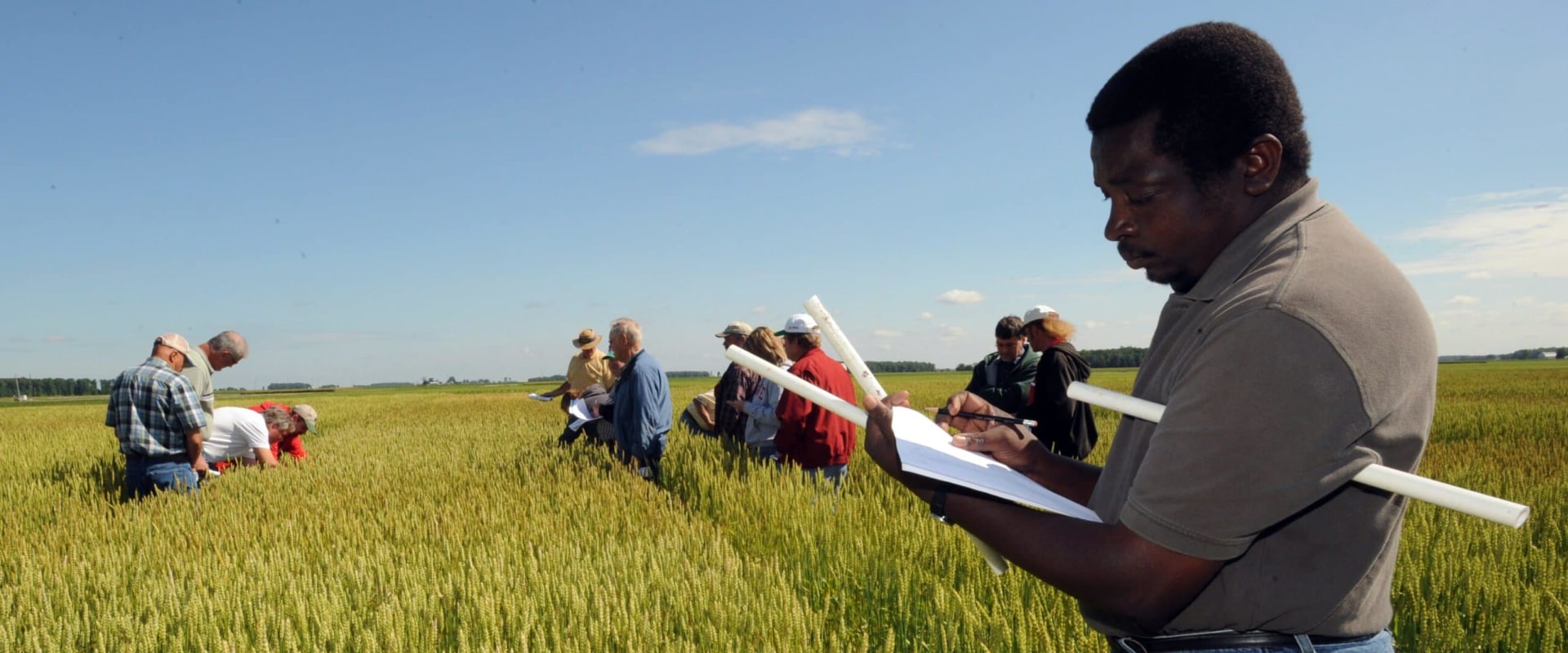
Plant Health Care (PHC) is an innovative approach to managing plant health that emphasizes prevention, monitoring, and intervention strategies tailored to the specific needs of plants and their environments. Unlike traditional methods that often rely heavily on chemical treatments, PHC focuses on understanding the complex interactions between plants, pests, diseases, and their ecosystems. This holistic perspective not only enhances plant vitality but also promotes sustainable agricultural practices that benefit both the environment and the economy.The benefits of PHC are manifold. By prioritizing plant health through integrated practices such as soil management, pest monitoring, and the use of resistant plant varieties, PHC reduces the reliance on synthetic pesticides and fertilizers.
This shift not only minimizes chemical runoff into waterways but also fosters biodiversity by creating healthier ecosystems. Furthermore, healthy plants are more resilient to stressors such as drought or disease, leading to improved yields and reduced losses for farmers.Understanding the importance of PHC is crucial for anyone involved in agriculture or horticulture. As global challenges like climate change and food security become increasingly pressing, adopting PHC practices can play a pivotal role in creating sustainable food systems. Education and outreach programs are essential in disseminating knowledge about PHC, equipping farmers and gardeners with the tools they need to implement these practices effectively.
By fostering a deeper understanding of plant health care, we can encourage a shift towards more sustainable agricultural methods that not only enhance productivity but also protect our natural resources for future generations.
The Role of Education in Promoting PHC Practices
Education plays a pivotal role in promoting Plant Health Care (PHC) practices by equipping stakeholders with the knowledge and skills necessary to implement sustainable methods in their operations. Through targeted educational initiatives, farmers, landscapers, and the general public can gain a deeper understanding of the benefits and techniques associated with PHC.Workshops
and seminars serve as effective platforms for hands-on learning. These interactive sessions allow participants to engage directly with experts in the field, ask questions, and observe practical demonstrations of PHC practices. For instance, a workshop might cover topics such as soil health management, pest identification, and the use of organic fertilizers, providing attendees with actionable insights they can apply immediately.In addition to in-person events, online courses have emerged as a valuable resource for those seeking flexible learning options.These courses can reach a broader audience, allowing individuals from various geographical locations to access high-quality educational content. Topics may include the principles of integrated pest management, the importance of biodiversity in plant health, and strategies for reducing chemical inputs.The importance of education in promoting PHC cannot be overstated. By raising awareness about the environmental and economic benefits of adopting these practices, educational programs can foster a culture of sustainability. For example:
- Increased Awareness: Education helps stakeholders understand the long-term advantages of PHC, such as improved plant resilience and reduced reliance on chemical treatments.
- Community Engagement: Educational initiatives often encourage collaboration among local communities, leading to shared resources and collective action towards sustainable practices.
- Behavioral Change: Knowledge gained through education can lead to significant changes in behavior, prompting individuals to adopt more environmentally friendly practices.
Outreach Programs: Bridging the Gap to Adoption
Outreach programs play a crucial role in promoting the adoption of Plant Health Care (PHC) practices by effectively connecting with local communities and addressing their specific needs.These programs serve as a bridge between agricultural experts and farmers, facilitating the transfer of knowledge and resources necessary for implementing sustainable practices.
Community outreach in agriculture
can take many forms, including workshops, field demonstrations, and informational campaigns. By engaging directly with farmers, outreach initiatives can tailor their messages to resonate with the audience, ensuring that the benefits of PHC are clearly communicated. For instance, a successful outreach program in the Midwest utilized hands-on workshops where farmers could see the impact of PHC practices on crop health and yield firsthand. This experiential learning approach not only educated participants but also fostered a sense of community among local growers.Effective outreach strategies for PHC often incorporate collaboration with local agricultural organizations and extension services.These partnerships can enhance credibility and expand the reach of educational efforts. For example, a program in California partnered with local universities to develop a series of online resources and webinars that addressed common pest management issues using PHC principles. This strategy not only provided valuable information but also allowed for ongoing support through follow-up sessions.Moreover, leveraging social media platforms has proven to be an effective way to engage younger farmers who may be more receptive to digital communication. By sharing success stories, tips, and best practices related to PHC on platforms like Instagram and Facebook, outreach programs can create a vibrant online community that encourages dialogue and knowledge sharing.In conclusion, outreach programs are essential for promoting the adoption of Plant Health Care (PHC) practices.
By utilizing tailored strategies that resonate with local communities, these initiatives can significantly enhance awareness and implementation of sustainable agricultural practices.
Target Audiences for PHC Education and Outreach
Effective education and outreach programs for Plant Health Care (PHC) practices must target a variety of key demographics to maximize their impact. Understanding who should learn about PHC is essential for fostering a culture of sustainable plant management.- Homeowners: Many homeowners are unaware of the benefits of PHC practices. By educating them on how to maintain healthy landscapes, reduce pest problems, and promote biodiversity, outreach programs can empower individuals to make informed decisions about their gardens and yards.
- Agricultural Professionals: Farmers and agricultural workers are crucial audiences for PHC education. Training programs that focus on integrated pest management, soil health, and sustainable practices can significantly enhance crop yields while minimizing environmental impact.
Workshops and field days can provide hands-on experience with PHC techniques.
- Students: Engaging students in schools and universities can cultivate a new generation of environmentally conscious individuals. Curriculum integration that includes PHC principles can inspire future scientists, horticulturists, and landscape professionals. Interactive activities, such as school gardens or science projects focused on plant health, can make learning about PHC both fun and impactful.
- Landscape Professionals: Landscape architects, designers, and maintenance crews play a vital role in implementing PHC practices in urban settings. Providing them with specialized training on sustainable landscaping techniques can lead to healthier urban ecosystems.
Each demographic has unique needs and challenges that must be addressed to ensure successful implementation of sustainable plant care strategies.
Measuring the Impact of Education and Outreach on PHC Adoption
Assessing the effectiveness of education and outreach programs in promoting Plant Health Care (PHC) practices is crucial for understanding their impact and refining future initiatives. To measure success, various metrics and evaluation methods can be employed.Impact Assessment Metrics
- Participation Rates: Tracking the number of participants in educational programs can provide insight into community engagement and interest in PHC practices.
- Knowledge Retention: Pre- and post-program surveys can assess how much information participants retain about PHC practices, indicating the effectiveness of the educational content.
- Behavioral Changes: Monitoring changes in participants' gardening or landscaping practices after attending outreach programs can demonstrate the practical application of learned PHC techniques.
- Follow-Up Surveys: Conducting follow-up surveys several months after the program can help evaluate long-term adoption of PHC practices.
Evaluation Methods
- Qualitative Interviews: Engaging with participants through interviews can provide deeper insights into their experiences and the perceived value of the education received.
- Focus Groups: Organizing focus groups allows for discussion among participants, revealing common challenges and successes in implementing PHC practices.
- Case Studies: Documenting specific instances where education led to successful PHC adoption can serve as powerful testimonials and learning tools for future programs.
Challenges in Implementing Education and Outreach Programs for PHC
Implementing education and outreach programs for Plant Health Care (PHC) practices can be fraught with challenges that hinder their effectiveness. Understanding these barriers is crucial for developing strategies to promote successful adoption. One significant challenge is the lack of awareness among target audiences about the benefits of PHC.Many individuals and organizations may not fully understand how PHC practices can enhance plant health and sustainability. This knowledge gap can lead to skepticism and resistance to adopting new methods. Another barrier is the diversity of stakeholders involved in plant health management, including homeowners, landscapers, agricultural producers, and government agencies. Each group has unique needs and perspectives, making it difficult to create a one-size-fits-all educational program. Tailoring outreach efforts to address these diverse interests requires significant resources and expertise. Additionally, limited funding for educational initiatives can restrict the scope and reach of outreach programs.
Without adequate financial support, organizations may struggle to develop comprehensive materials or conduct extensive training sessions. To overcome these obstacles, several strategies can be employed:
- Engagement with local communities: Building relationships with community leaders and organizations can help raise awareness and foster trust in PHC practices.
- Customized educational materials: Developing targeted resources that address the specific needs of different stakeholder groups can enhance understanding and acceptance.
- Leveraging technology: Utilizing online platforms for webinars, social media campaigns, and interactive content can broaden outreach efforts while minimizing costs.
Future Trends in Education and Outreach for Plant Health Care
As we look towards the future of Plant Health Care (PHC), several emerging trends in education and outreach are poised to enhance the adoption of these vital practices. The integration of technology into educational frameworks is one of the most significant shifts. Digital platforms, including mobile applications and online courses, are making it easier for both professionals and the general public to access information about PHC practices.Innovations in Digital Tools
- Mobile Applications: Apps that provide real-time diagnostics and treatment recommendations for plant health issues are becoming increasingly popular. These tools empower users to make informed decisions about their plants' care.
- Webinars and Online Workshops: Virtual learning environments allow experts to reach a broader audience, providing valuable insights into the latest PHC techniques and research.
- Social Media Campaigns: Platforms like Instagram and Facebook can be leveraged to share success stories, tips, and best practices in a visually engaging manner, fostering a community around PHC.
Trends in Outreach Programs
The future of outreach programs will likely see a shift towards more interactive and participatory approaches.
Community-based initiatives that involve local stakeholders can create a sense of ownership and responsibility towards plant health.
- Hands-On Workshops: Engaging the community through hands-on experiences allows participants to apply what they learn in real-world scenarios, reinforcing their understanding of PHC.
- Collaborative Research Projects: Partnering with universities and research institutions can help disseminate cutting-edge findings directly to practitioners and enthusiasts alike.
Conclusion: The Path Forward for Plant Health Care Adoption
In conclusion, the journey towards widespread adoption of Plant Health Care (PHC) practices is significantly bolstered by effective education and outreach programs. These initiatives serve as vital conduits for disseminating knowledge, fostering understanding, and encouraging the implementation of sustainable practices among various stakeholders, including homeowners, landscapers, and agricultural professionals.Through targeted educational efforts, individuals can gain a deeper appreciation for the principles of PHC, which emphasize the importance of maintaining plant health through proactive measures rather than reactive treatments. This shift in mindset is crucial for promoting long-term sustainability in both urban and agricultural settings.- Awareness Building: Education programs raise awareness about the benefits of PHC, such as reduced pesticide use, improved plant resilience, and enhanced ecosystem health.
- Skill Development: Workshops and hands-on training sessions equip participants with practical skills to implement PHC strategies effectively.
- Community Engagement: Outreach initiatives foster community involvement, creating a network of support that encourages shared learning and collaboration.
By utilizing these channels, advocates for PHC can engage diverse demographics, ensuring that the message resonates across different communities.Ultimately, the path forward for Plant Health Care adoption hinges on a collective effort to educate and empower individuals. As more people become informed about the advantages of PHC practices, we can expect to see a significant shift towards more sustainable plant management approaches that benefit both our environment and our communities.