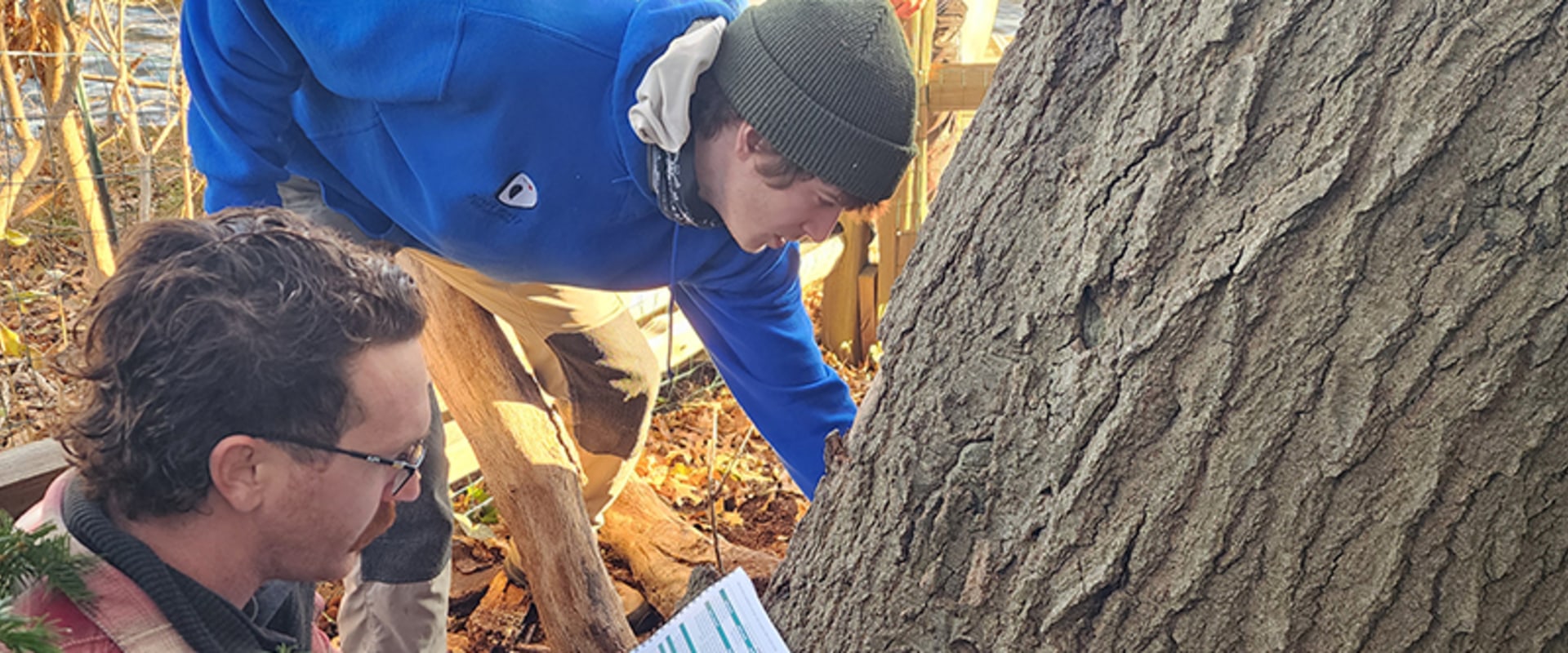
In the world of horticulture and agriculture, Plant Health Care (PHC) has emerged as a vital approach to ensuring the vitality and longevity of plants. This holistic method focuses on understanding the intricate relationships between plants, their environment, and the various factors that can affect their health. By prioritizing preventive measures and sustainable practices, PHC not only addresses existing plant health issues but also minimizes the risk of future problems. One of the key aspects of PHC is its emphasis on early detection and intervention. Many common plant health issues, such as pest infestations, nutrient deficiencies, and diseases, can escalate quickly if not identified in their initial stages.
Through regular monitoring and assessment, gardeners and agricultural professionals can implement targeted strategies that promote resilience in plants. This proactive stance is essential for maintaining healthy ecosystems and ensuring that plants thrive in their respective environments. Moreover, PHC encourages a comprehensive understanding of plant biology and ecology. By recognizing the signs of distress in plants—be it yellowing leaves, stunted growth, or unusual spots—individuals can take informed actions to restore balance. This section will delve deeper into specific plant health issues that can be effectively managed through PHC practices, illustrating how this approach not only enhances plant health but also contributes to sustainable gardening and farming practices.
Understanding Common Plant Health Issues
Understanding the various common plant health issues is crucial for effective Plant Health Care (PHC).These issues can stem from a variety of sources, including plant diseases, pests, and environmental stressors.
Plant Diseases
- Fungal Infections: Fungi can cause a range of diseases, such as powdery mildew and root rot, which can severely impact plant health.
- Bacterial Diseases: Bacteria can lead to wilting, leaf spots, and blights, often requiring specific treatments to manage.
- Viral Infections: Viruses can stunt growth and cause discoloration, making early detection essential for control.
Pest Management
- Insect Pests: Aphids, spider mites, and whiteflies are common pests that can sap the vitality of plants. Regular monitoring and integrated pest management strategies are vital.
- Nematodes: These microscopic worms can damage roots and lead to poor nutrient uptake.
Environmental Stress
- Drought Stress: Insufficient water can lead to wilting and reduced growth. Implementing proper irrigation techniques is essential.
- Nutrient Deficiencies: Lack of essential nutrients like nitrogen or potassium can manifest in yellowing leaves or stunted growth.
- Temperature Extremes: Both excessive heat and cold can stress plants, making them more susceptible to diseases and pests.
Diseases Affecting Plants
Plants are susceptible to a variety of diseases that can significantly impact their health and growth.Understanding these common plant diseases is crucial for effective Plant Health Care (PHC) management.
Fungal Infections
Fungal infections are among the most prevalent issues affecting plants. Symptoms often include:- Leaf spots: Dark, water-soaked areas that can expand and cause leaf drop.
- Mildew: A white or gray powdery substance on leaves, indicating poor air circulation.
- Root rot: Caused by overwatering, leading to wilting and yellowing of leaves.
Bacterial Diseases
Bacterial diseases can also pose serious threats to plant health. Common symptoms include:- Wilting: Often a sign of bacterial wilt, where the vascular system is compromised.
- Galls: Abnormal growths on stems or roots caused by bacterial infection.
- Leaf blight: Rapid browning and death of leaf tissue.
Viral Infections
Viral infections can be particularly challenging to manage due to their ability to spread quickly. Symptoms may include:- Mosaic patterns: Irregular light and dark green patches on leaves.
- Stunted growth: Affected plants may not reach their full potential size.
- Leaf curl: Leaves may twist or curl, affecting photosynthesis.
Pest Management in PHC
Pest management is a critical component of Plant Health Care (PHC), focusing on the prevention and control of pests that can adversely affect plant health.Effective pest management strategies not only protect plants but also promote a balanced ecosystem.Common pests that threaten plant health include:
- Aphids: Small, sap-sucking insects that can weaken plants and transmit diseases.
- Spider Mites: Tiny arachnids that cause stippling on leaves and can lead to significant damage if not controlled.
- Whiteflies: These pests feed on plant sap and can produce honeydew, leading to sooty mold.
- Mealybugs: Known for their cotton-like appearance, they can infest various plants and cause leaf drop.
- Monitoring: Regularly inspecting plants for signs of pest activity helps in early detection and intervention.
- Threshold Levels: Establishing action thresholds allows for timely responses before pest populations reach damaging levels.
- Biological Control: Utilizing natural predators or parasites to manage pest populations is an effective and environmentally friendly strategy. For example, introducing ladybugs can help control aphid populations.
- Cultural Practices: Implementing practices such as crop rotation, proper watering, and sanitation can reduce pest habitats and improve plant resilience.
This proactive approach not only addresses current pest issues but also helps prevent future infestations, ensuring a thriving garden or landscape.
Environmental Stress Factors
Environmental stress factors play a significant role in the overall health of plants. These stresses can arise from various sources, including drought, nutrient deficiencies, and extreme temperatures. Understanding these factors is crucial for implementing effective Plant Health Care (PHC) practices that can help mitigate their impact.Drought Stress
- Drought stress occurs when plants do not receive adequate water, leading to wilting, leaf drop, and stunted growth.
- To combat drought stress, PHC practices such as mulching and proper irrigation techniques can be employed. Mulching helps retain soil moisture, while drip irrigation delivers water directly to the roots.
Nutrient Deficiency
- Nutrient deficiencies can manifest in various ways, including yellowing leaves or poor fruit development.
Common deficiencies include nitrogen, phosphorus, and potassium.
- Regular soil testing is essential to identify nutrient imbalances. PHC strategies like organic fertilization and soil amendments can restore nutrient levels and promote healthy plant growth.
Temperature Extremes
- Plants are sensitive to temperature fluctuations. Extreme heat can lead to heat stress, while cold snaps can cause frost damage.
- To protect plants from temperature extremes, PHC practices such as selecting heat- or cold-tolerant varieties and providing shade or windbreaks can be beneficial.
Soil Health and Its Impact on Plant Health
Soil health is a critical component of Plant Health Care (PHC), as it directly influences the growth and vitality of plants. Healthy soil provides essential nutrients, supports beneficial microorganisms, and maintains proper structure, all of which are vital for optimal plant development.Soil nutrients
play a significant role in plant health.Nutrient deficiencies can lead to stunted growth, poor flowering, and increased susceptibility to pests and diseases. PHC practices such as soil testing can identify nutrient imbalances, allowing for targeted amendments that restore soil fertility. Common nutrients that plants require include nitrogen, phosphorus, and potassium, each playing unique roles in plant metabolism.Another important aspect of soil health is soil pH. The pH level affects nutrient availability; for instance, most nutrients are readily available to plants when the soil pH is between 6.0 and 7.5.If the pH is too low (acidic) or too high (alkaline), certain nutrients may become locked away, leading to deficiencies.
PHC strategies can include the application of lime to raise pH or sulfur to lower it, ensuring that plants have access to the nutrients they need.
Soil structure
also impacts water retention and root penetration. Well-structured soil allows for better aeration and drainage, which are essential for healthy root systems. Compacted soils can hinder root growth and reduce water infiltration. PHC methods such as cover cropping and reduced tillage can improve soil structure by enhancing organic matter content and promoting a diverse microbial community.In summary, maintaining soil health through effective Plant Health Care (PHC) practices is essential for fostering robust plant growth.By addressing nutrient levels, pH balance, and soil structure, gardeners and farmers can create an environment where plants thrive, ultimately leading to healthier crops and landscapes.
The Role of Fertilization in PHC
Fertilization plays a crucial role in Plant Health Care (PHC), as it directly influences plant growth, development, and overall health. Proper nutrient management through effective fertilization strategies can help mitigate various plant health issues, ensuring that plants receive the essential nutrients they need to thrive.There are two primary types of fertilizers used in PHC: organic fertilizers and synthetic fertilizers. Each type has its own advantages and considerations:- Organic Fertilizers: These are derived from natural sources such as compost, manure, and bone meal. They improve soil structure, enhance microbial activity, and provide a slow release of nutrients.
Organic fertilizers are particularly beneficial for long-term soil health and sustainability.
- Synthetic Fertilizers: Manufactured through chemical processes, synthetic fertilizers offer a quick nutrient boost to plants. They are often more concentrated than organic options and can be tailored to meet specific nutrient deficiencies. However, overuse can lead to soil degradation and environmental concerns.
Here are some effective fertilization strategies:
- Soil Testing: Regularly test soil to identify nutrient deficiencies and adjust fertilization accordingly.
- Balanced Fertilization: Use a balanced approach that includes macronutrients (nitrogen, phosphorus, potassium) and micronutrients (iron, manganese, zinc) to support comprehensive plant health.
- Timing and Application: Apply fertilizers during the growing season when plants can utilize them most effectively. Consider using slow-release formulations to minimize nutrient leaching.
Preventive Measures in Plant Health Care
Implementing preventive measures in Plant Health Care (PHC) is essential for maintaining the vitality of your plants and preventing common health issues. By adopting a proactive approach, you can significantly reduce the risk of diseases and pests that threaten plant health.One of the best practices in PHC is to ensure that plants are suited to their environment.This includes selecting species that are native or well-adapted to local conditions, which can enhance their resilience against stressors. Additionally, understanding the specific needs of each plant—such as light, water, and soil type—can help in creating optimal growing conditions.
- Soil Health: Regularly test your soil to monitor pH levels and nutrient content. Amend the soil with organic matter to improve its structure and fertility.
- Water Management: Implement a consistent watering schedule that considers seasonal changes. Overwatering can lead to root rot, while underwatering can stress plants.
- Pest Monitoring: Regularly inspect plants for signs of pests or disease.
Early detection allows for timely intervention, reducing the need for chemical treatments.
- Crop Rotation: For garden beds, practice crop rotation to prevent soil depletion and disrupt pest life cycles.
- Mulching: Apply mulch around plants to retain moisture, suppress weeds, and regulate soil temperature.
FAQs about Plant Health Care (PHC)
Plant Health Care (PHC) is a comprehensive approach to maintaining the health and vitality of plants. Here are some frequently asked questions that can help clarify common misconceptions and provide insights into its practices:- What is Plant Health Care (PHC)? PHC is a proactive strategy that focuses on preventing plant health issues through proper cultural practices, monitoring, and integrated pest management. It emphasizes the importance of understanding the specific needs of plants to promote their overall well-being.
- How does PHC differ from traditional pest control? Unlike traditional pest control methods that often react to problems after they arise, PHC aims to prevent issues before they occur.
This holistic approach considers environmental factors, plant selection, and soil health, leading to more sustainable outcomes.
- What are some common plant health issues addressed by PHC? PHC can effectively address a variety of issues, including:
- Pest infestations
- Diseases caused by fungi, bacteria, or viruses
- Nutrient deficiencies
- Environmental stressors such as drought or excessive moisture
- Is PHC suitable for all types of plants? Yes, PHC can be applied to a wide range of plants, including ornamental plants, trees, shrubs, and even agricultural crops. The key is to tailor the approach based on the specific needs and conditions of each plant type.
- How can I implement PHC in my garden? You can start by assessing your soil health, selecting appropriate plant species for your environment, and regularly monitoring your plants for signs of stress or disease. Consulting with a local extension service or a professional horticulturist can also provide valuable guidance.
Conclusion: The Importance of PHC in Maintaining Plant Health
In conclusion, Plant Health Care (PHC) is an essential approach for maintaining the vitality and resilience of plants. Throughout this article, we have explored various aspects of PHC, emphasizing its role in preventing and managing common plant health issues. By implementing PHC practices, gardeners and landscapers can effectively address problems such as nutrient deficiencies, pest infestations, and diseases.These practices not only enhance the overall health of plants but also contribute to sustainable gardening and landscaping efforts. Key strategies within PHC include:
- Regular Monitoring: Keeping a close eye on plant conditions allows for early detection of potential issues.
- Soil Management: Ensuring optimal soil health through proper amendments and pH adjustments supports robust plant growth.
- Pest Control: Utilizing integrated pest management techniques minimizes chemical use while effectively managing pest populations.
- Watering Practices: Implementing appropriate watering schedules prevents both overwatering and drought stress.