In the realm of Plant Health Care (PHC), the integration of various treatment methods is essential for maintaining the vitality and resilience of plants. PHC encompasses a holistic approach to plant management, focusing on promoting health through cultural practices, biological controls, and, when necessary, chemical treatments. These chemical interventions can be effective in managing pests and diseases that threaten plant health, but they also come with a set of potential risks that warrant careful consideration. The use of chemical treatments in PHC can lead to unintended consequences that may affect not only the target organisms but also beneficial insects, soil health, and even human health. For instance, the application of pesticides can disrupt the delicate balance of ecosystems, leading to a decline in pollinator populations or the emergence of resistant pest strains.
Furthermore, the runoff from treated areas can contaminate water sources, posing risks to aquatic life and drinking water quality. As we delve deeper into the discussion of risks associated with chemical treatments in PHC, it is crucial to weigh these potential hazards against the benefits they provide. Understanding these dynamics will help practitioners make informed decisions that prioritize both plant health and environmental sustainability. This exploration sets the stage for a comprehensive examination of how to navigate the complexities of chemical use within the broader context of effective Plant Health Care strategies.
Overview of Chemical Treatments in PHC
In the realm of Plant Health Care (PHC), chemical treatments play a crucial role in managing plant health and ensuring optimal growth. These treatments can be broadly categorized into several types, each serving specific purposes and offering distinct benefits.- Pesticides: These are chemicals designed to control pests that threaten plant health.
They can be further divided into insecticides, herbicides, and fungicides, each targeting different types of organisms.
- Fertilizers: Chemical fertilizers provide essential nutrients that plants require for growth. They can enhance soil fertility and promote vigorous plant development when applied correctly.
- Growth Regulators: These substances influence plant growth processes, helping to manage flowering, fruiting, and overall plant vigor.
However, it is essential to apply these chemicals responsibly to mitigate potential risks such as environmental contamination and harm to non-target organisms.In summary, while chemical treatments are a vital component of Plant Health Care, understanding their types, applications, and benefits is crucial for effective and sustainable plant management practices.
Potential Risks Associated with Chemical Treatments
While chemical treatments can be effective in managing pests and diseases in Plant Health Care (PHC), they also come with a range of potential risks that must be carefully considered.Environmental Impact
The use of chemical treatments can lead to significant environmental consequences. These substances can leach into the soil and waterways, affecting non-target organisms and disrupting local ecosystems. For instance, runoff from treated areas can contaminate nearby streams and rivers, harming aquatic life and altering the natural balance of these habitats.Health Risks
Exposure to chemical treatments poses various health risks to humans, particularly for those who apply these chemicals or live near treated areas. Pesticides and herbicides can cause acute reactions, such as skin irritations or respiratory issues, and long-term exposure has been linked to more serious health problems, including neurological disorders and certain cancers.It is crucial for applicators to follow safety guidelines and use protective equipment to minimize these risks.
Resistance Development
Another significant risk associated with chemical treatments is the potential for resistance development. Over time, pests and pathogens may develop resistance to specific chemicals, rendering them less effective. This can lead to a cycle of increased chemical use as practitioners seek stronger treatments, further exacerbating environmental and health concerns. Integrated pest management strategies that combine chemical treatments with biological controls can help mitigate this issue.In conclusion, while chemical treatments in PHC can provide immediate benefits in managing plant health, it is essential to weigh these advantages against the potential risks.Sustainable practices that prioritize environmental health and human safety should be at the forefront of any PHC strategy.
Environmental Impact of Chemical Treatments
The use of chemical treatments in Plant Health Care (PHC) can lead to significant environmental risks that extend beyond the immediate area of application. One of the primary concerns is the impact on soil health. Chemical treatments can disrupt the natural microbial communities that are essential for nutrient cycling and soil fertility. Over time, this disruption can lead to a decline in soil structure and a reduction in its ability to support plant life.Another critical issue is water contamination.When chemicals are applied to plants, they can leach into nearby water sources through runoff, especially during heavy rainfall. This contamination poses risks not only to aquatic ecosystems but also to human health, as these chemicals can enter drinking water supplies. Studies have shown that pesticides and fertilizers can lead to algal blooms in water bodies, which deplete oxygen levels and harm fish and other aquatic organisms.
Biodiversity loss
is another serious consequence of using chemical treatments. The application of these substances often targets specific pests or diseases but can inadvertently affect non-target species, including beneficial insects like pollinators.The decline in these populations can disrupt local ecosystems and reduce the resilience of plant communities.To mitigate these risks, it is essential for practitioners of Plant Health Care (PHC) to consider integrated pest management strategies that prioritize ecological balance. By reducing reliance on chemical treatments and adopting more sustainable practices, we can protect our environment while still promoting healthy plant growth.
Health Risks to Humans and Animals
The use of chemical treatments in Plant Health Care (PHC) can pose significant health risks to both humans and animals. Understanding these risks is crucial for ensuring safety in agricultural practices and residential gardening.Human Exposure
- Pesticide Toxicity: Many chemical treatments contain pesticides that can be toxic upon exposure. Symptoms of pesticide poisoning in humans may include headaches, dizziness, nausea, and in severe cases, respiratory distress.
- Long-term Health Effects: Prolonged exposure to certain chemicals has been linked to chronic health issues such as cancer, endocrine disruption, and neurological disorders.
Farmers and agricultural workers are particularly at risk due to their frequent handling of these substances.
- Environmental Contamination: Runoff from treated areas can contaminate water supplies, leading to indirect exposure for communities relying on these sources for drinking water.
Animal Safety
- Direct Exposure: Pets and livestock can be adversely affected by chemical treatments. Ingestion or skin contact with treated plants can lead to acute poisoning or long-term health issues.
- Impact on Wildlife: Chemical treatments can disrupt local ecosystems, affecting not only domestic animals but also wildlife. Birds, bees, and other beneficial organisms may suffer from reduced populations due to pesticide exposure.
Development of Resistance in Pests and Diseases
The reliance on chemical treatments in Plant Health Care (PHC) can inadvertently lead to the development of resistance among pests and diseases.This phenomenon occurs when these organisms adapt to the chemicals used against them, rendering treatments less effective over time. As a result, what was once a reliable method of pest control can become a significant challenge for growers and land managers.
Resistance development
is often accelerated by several factors:- Overuse of Chemicals: Frequent application of the same chemical compounds can create selective pressure, allowing only the most resistant individuals to survive and reproduce.
- Inadequate Application: Improper dosage or application methods can contribute to sub-lethal exposure, which may not kill all pests but can encourage the survival of resistant strains.
- Lack of Diversity in Treatment: Relying on a narrow range of chemical solutions limits the chances of effectively managing pest populations, as they may become accustomed to specific modes of action.
- Crop Rotation: Changing the types of crops grown in a particular area can disrupt pest life cycles and reduce their populations.
- Biological Control: Utilizing natural predators or parasites can help manage pest populations without relying solely on chemicals.
- Integrated Pest Management (IPM): This holistic approach combines cultural, biological, and chemical practices to minimize pest damage while reducing reliance on chemical treatments.
Alternatives to Chemical Treatments in PHC
As the awareness of the potential risks associated with chemical treatments in Plant Health Care (PHC) grows, many practitioners are turning to alternative methods that prioritize sustainability and plant health.These alternatives not only mitigate risks but also promote a more balanced ecosystem.
Organic Methods
One of the most popular alternatives is the use of organic methods. These practices focus on natural inputs and processes to manage plant health. For instance, using compost and organic fertilizers can enhance soil fertility without the adverse effects of synthetic chemicals. Additionally, natural pesticides derived from plants, such as neem oil or insecticidal soap, can effectively control pests while being less harmful to beneficial insects.Integrated Pest Management (IPM)
Integrated Pest Management (IPM) is another effective strategy that combines various management approaches to minimize pest damage while reducing reliance on chemical treatments.IPM emphasizes monitoring pest populations and using a combination of biological control agents, cultural practices, and resistant plant varieties. This holistic approach not only addresses pest issues but also fosters a healthier environment for plants to thrive.
Sustainable Practices
Implementing sustainable practices in PHC can significantly reduce the need for chemical interventions. Crop rotation, for example, helps prevent soil depletion and disrupts pest life cycles. Additionally, maintaining biodiversity by planting a variety of species can create a more resilient ecosystem that naturally deters pests and diseases.In conclusion, exploring these alternatives to chemical treatments in Plant Health Care (PHC) not only helps mitigate risks but also contributes to a more sustainable and environmentally friendly approach to plant management.By adopting organic methods, implementing IPM strategies, and embracing sustainable practices, practitioners can ensure the health of their plants while protecting the surrounding ecosystem.
Best Practices for Safe Use of Chemical Treatments
To ensure the safe use of chemical treatments in Plant Health Care (PHC), it is essential to follow best practices that minimize risks to both plants and the environment. Here are some key guidelines:- Understand Regulations: Familiarize yourself with local, state, and federal regulations regarding chemical treatments. Compliance with these laws not only ensures safety but also promotes responsible usage.
- Read Labels Carefully: Always read and follow the instructions on product labels. These labels provide critical information on application rates, timing, and safety precautions.
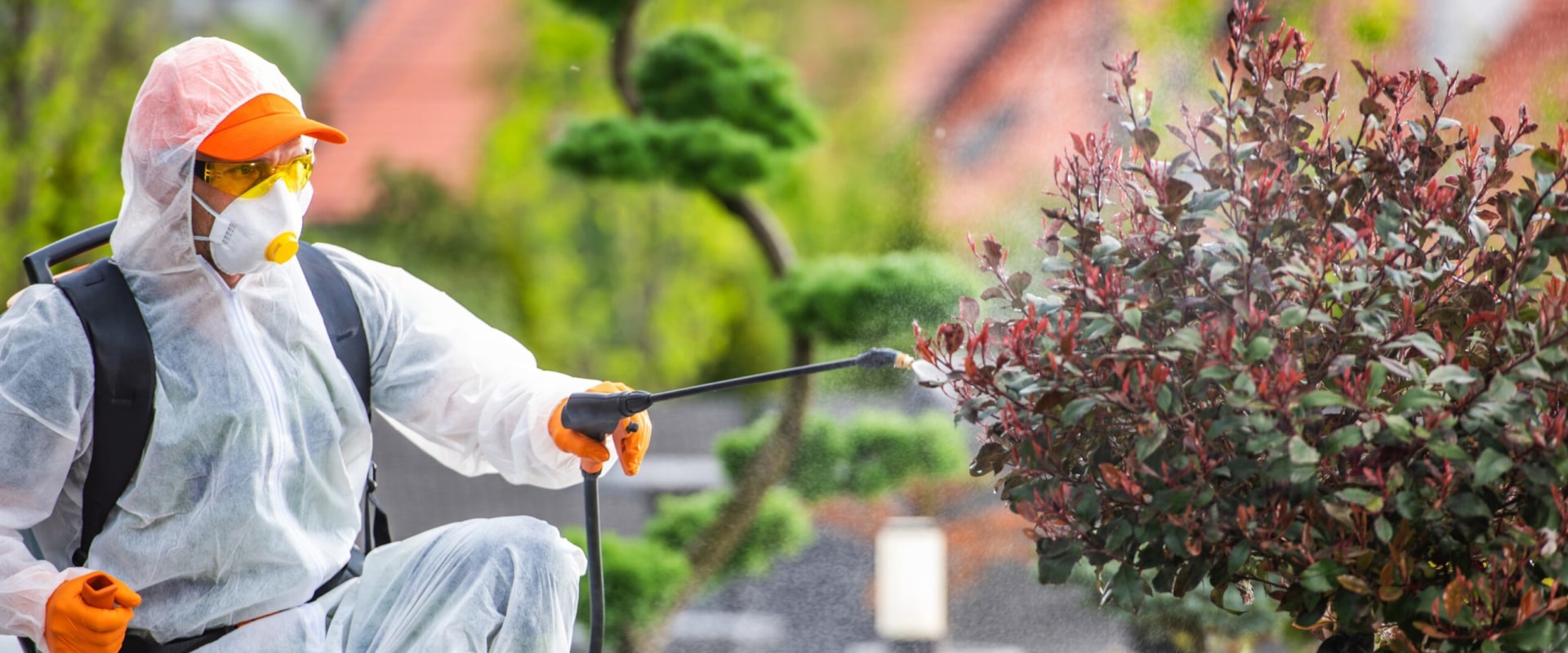
- Use Personal Protective Equipment (PPE): When applying chemical treatments, wear appropriate PPE such as gloves, masks, and goggles to protect yourself from exposure.
- Choose Targeted Treatments: Opt for selective chemical treatments that target specific pests or diseases rather than broad-spectrum options.
This approach reduces the risk of harming beneficial organisms.
- Apply at the Right Time: Timing is crucial in minimizing risks. Apply treatments during calm weather conditions to prevent drift and ensure maximum effectiveness.
- Monitor Environmental Conditions: Be aware of environmental factors such as wind speed and temperature. Avoid applications during high winds or extreme temperatures to reduce volatility and runoff.
- Implement Integrated Pest Management (IPM): Combine chemical treatments with cultural, biological, and mechanical control methods. This holistic approach can reduce reliance on chemicals and enhance overall plant health.
- Store Chemicals Safely: Store all chemical products in a secure location away from children and pets.
Ensure containers are tightly sealed and labeled correctly to prevent accidental exposure.
FAQs about Chemical Treatments in PHC
When considering chemical treatments in Plant Health Care (PHC), several common questions arise regarding their safety, effectiveness, and potential risks. Below are some frequently asked questions that can help clarify these concerns.- What are the main safety concerns associated with chemical treatments in PHC?One of the primary safety concerns is the potential for chemical runoff, which can contaminate local water sources and harm non-target organisms. Additionally, improper application can lead to plant damage or unintended effects on beneficial insects and soil health.
- How effective are chemical treatments compared to organic alternatives?While chemical treatments can provide rapid results in controlling pests and diseases, their long-term effectiveness may be questioned.
Organic alternatives, such as biological controls and natural pesticides, often promote a healthier ecosystem and can be equally effective when used correctly.
- Are there any long-term risks associated with using chemical treatments?Yes, prolonged use of chemical treatments can lead to pesticide resistance, making it increasingly difficult to manage pest populations. Furthermore, there are concerns about the accumulation of harmful substances in the soil and their impact on future plant health.
- What precautions should be taken when using chemical treatments?To minimize risks, it is essential to follow label instructions carefully, apply treatments during appropriate weather conditions, and use protective gear. Additionally, integrating integrated pest management (IPM) strategies can help reduce reliance on chemicals.
Conclusion: Weighing the Risks and Benefits of Chemical Treatments in PHC
In conclusion, the use of chemical treatments in Plant Health Care (PHC) presents a complex landscape of potential risks and benefits that must be carefully navigated. While these treatments can effectively manage pests and diseases, their application is not without significant concerns. One of the primary risks associated with chemical treatments is the potential for environmental harm.Chemicals can leach into soil and water systems, affecting non-target organisms and disrupting local ecosystems. Additionally, the development of resistance among pests can lead to a cycle of increased chemical use, further exacerbating environmental issues. Moreover, there are health risks to consider. Exposure to certain chemicals can pose threats to human health, particularly for those applying these treatments or living in proximity to treated areas. This underscores the importance of adhering to safety guidelines and regulations. On the other hand, the benefits of chemical treatments cannot be overlooked.
They can provide rapid solutions to severe infestations and protect valuable crops from devastating losses. When used judiciously, they can be an integral part of a comprehensive PHC strategy.Ultimately, the decision to use chemical treatments should be made with a thorough understanding of both their potential risks and benefits. Integrated approaches that combine chemical treatments with biological controls, cultural practices, and monitoring can help mitigate risks while maximizing effectiveness. Stakeholders in PHC must remain informed and proactive in their management strategies to ensure sustainable practices that protect both plants and the environment.